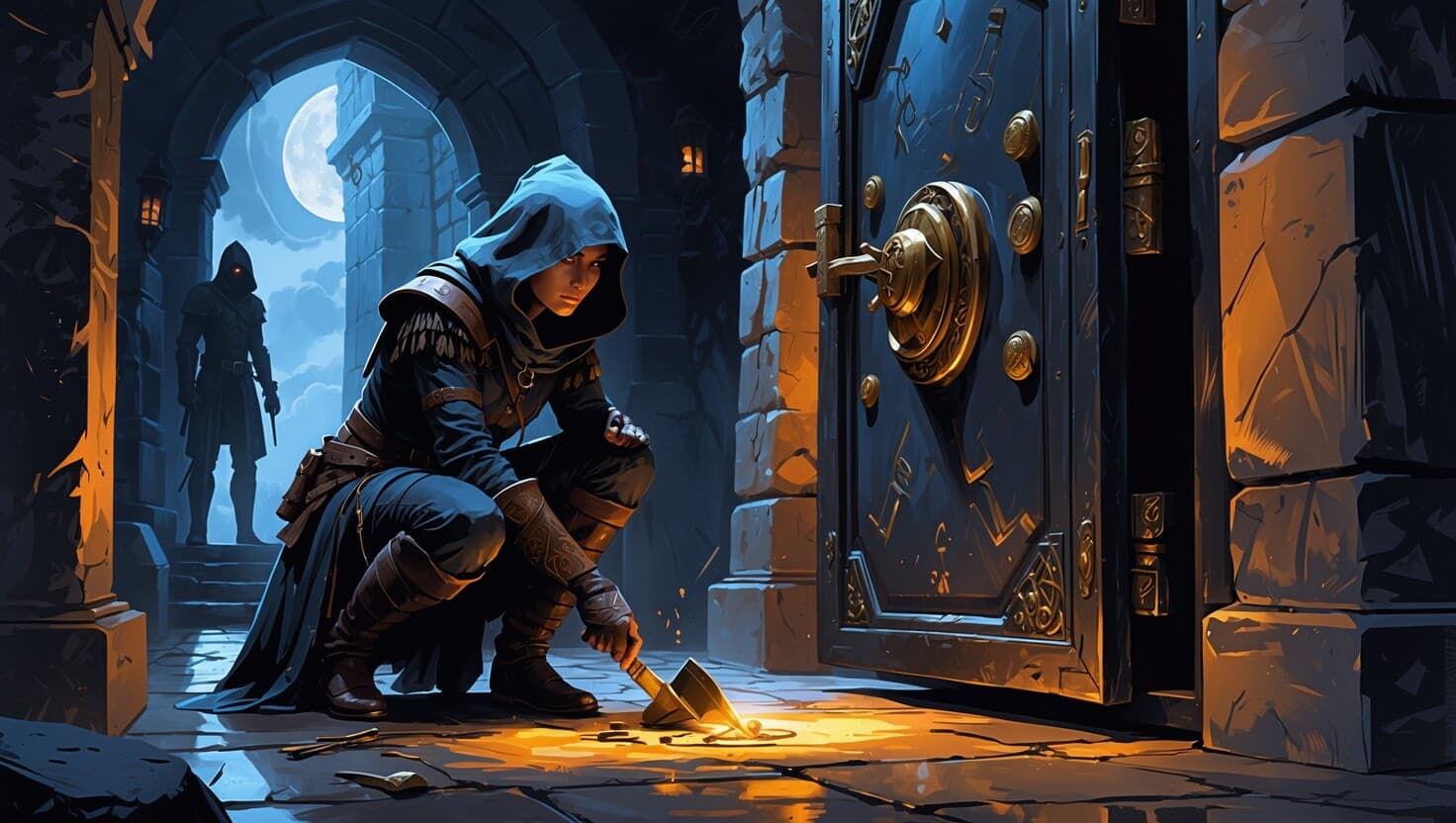
How to Run a Heist Campaign in D&D (Without Scripting Every Failure)
A heist campaign dies the moment the plan goes sideways and the GM has nothing ready. Here's how to build the job, the crew, and the improv habits that keep it alive.
D&D guides, solo RPG tips, and AI Game Master insights.
A heist campaign dies the moment the plan goes sideways and the GM has nothing ready. Here's how to build the job, the crew, and the improv habits that keep it alive.
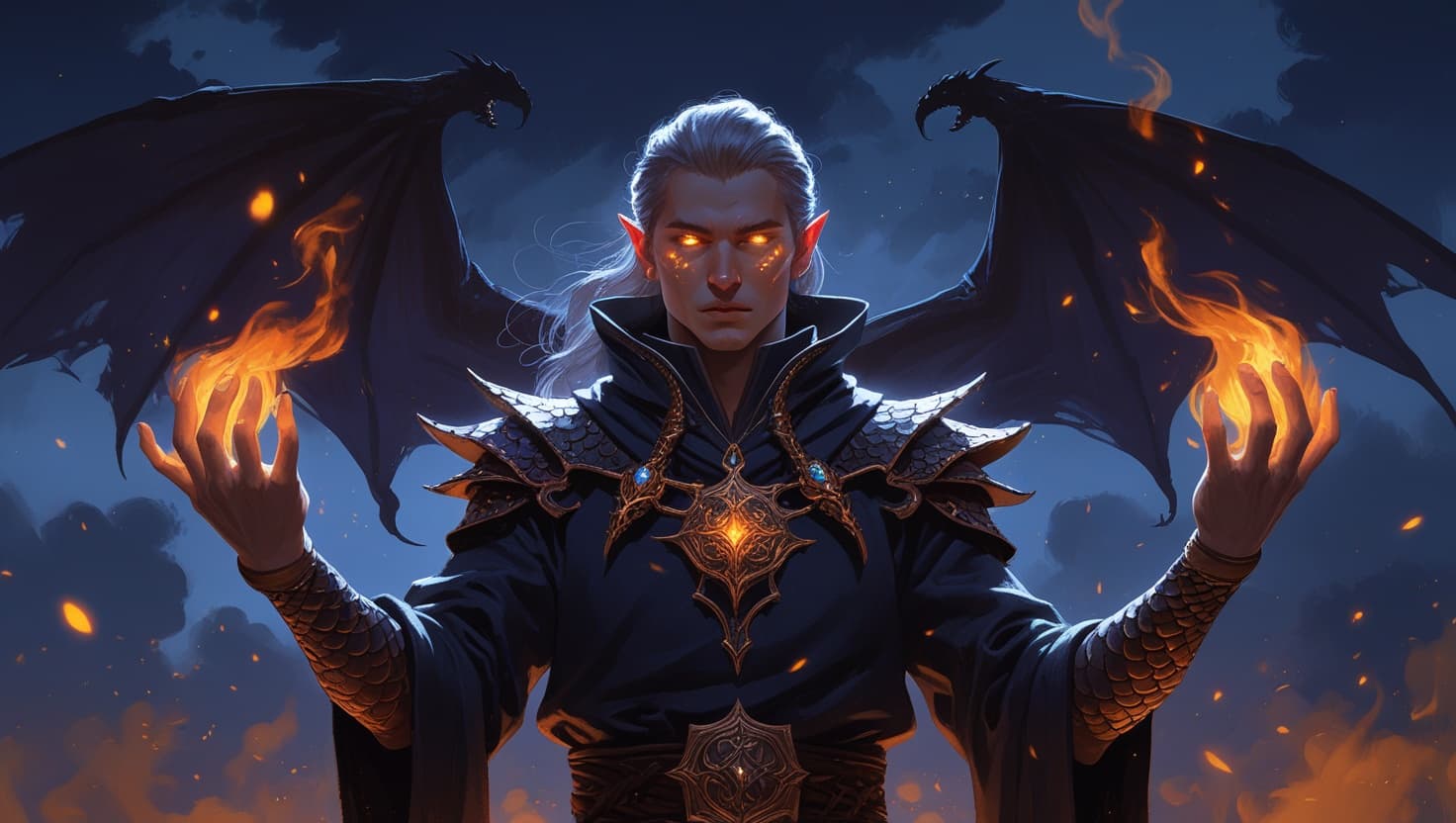
Draconic Bloodline trades Wild Magic's chaos for bonus HP, natural armor, and damage resistance - the sturdiest Sorcerer origin in 5e, if you build around it right.
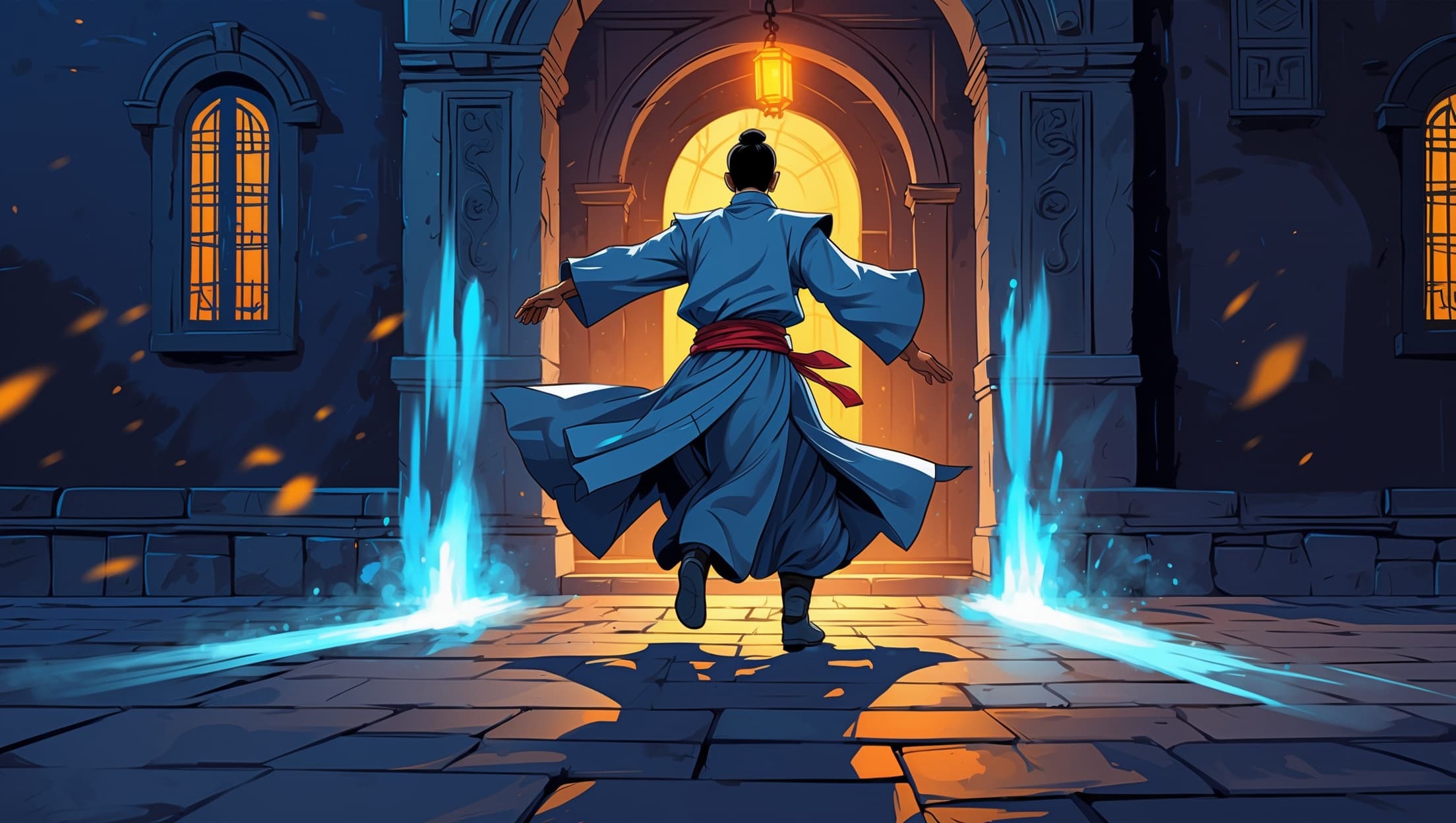
Way of Shadow trades straightforward Monk power for a stealth-and-teleport toolkit that only works if someone tracks dim light and darkness correctly. Here's the build.
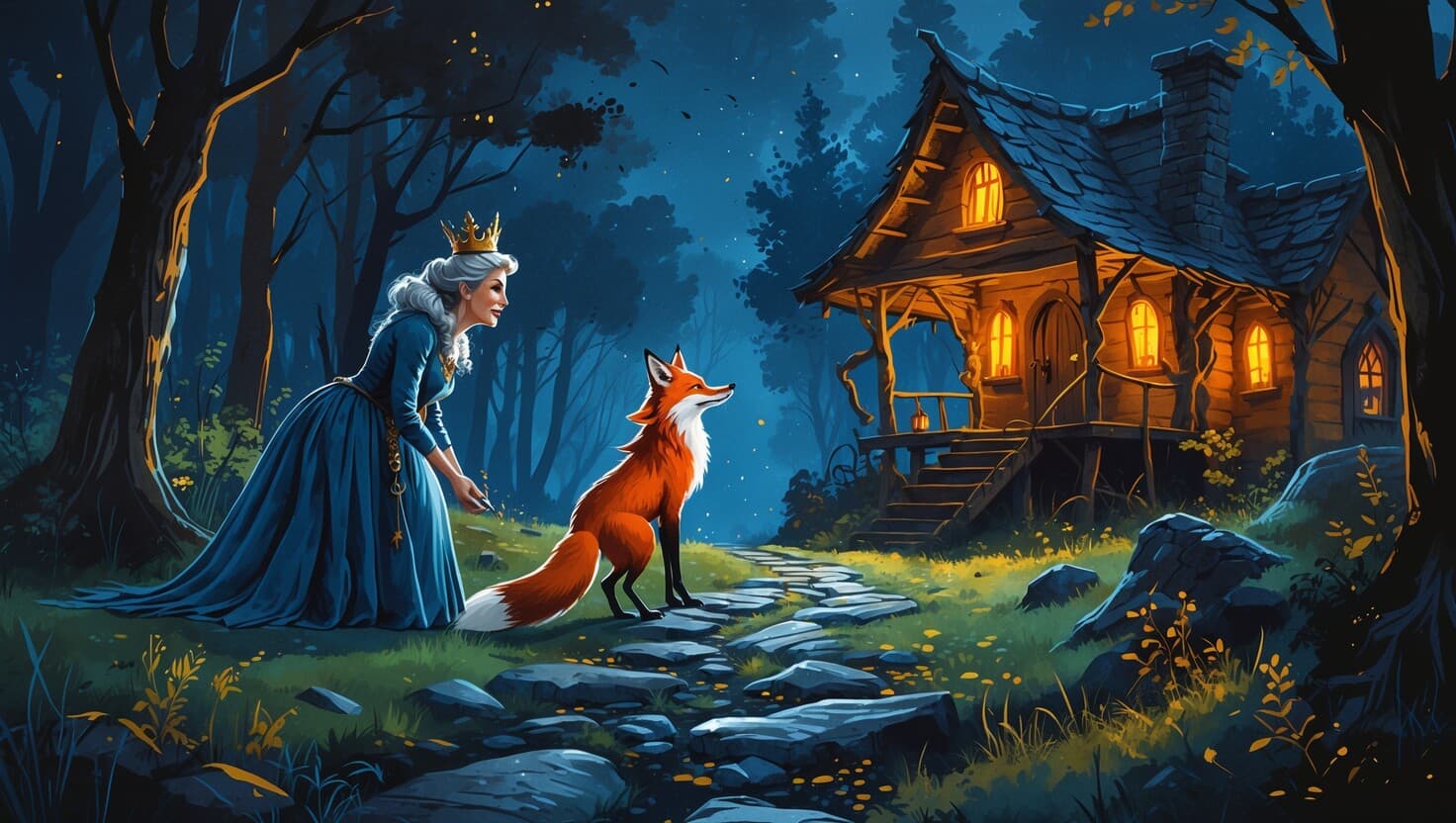
8 fairy tale villain archetypes pulled from folklore, not a monster manual, with the bargain each one runs on and how to run it at the table.

Every homebrew anime campaign starts strong and ends up as Naruto with the names changed. Here is how to design an original power system that holds up past session three.
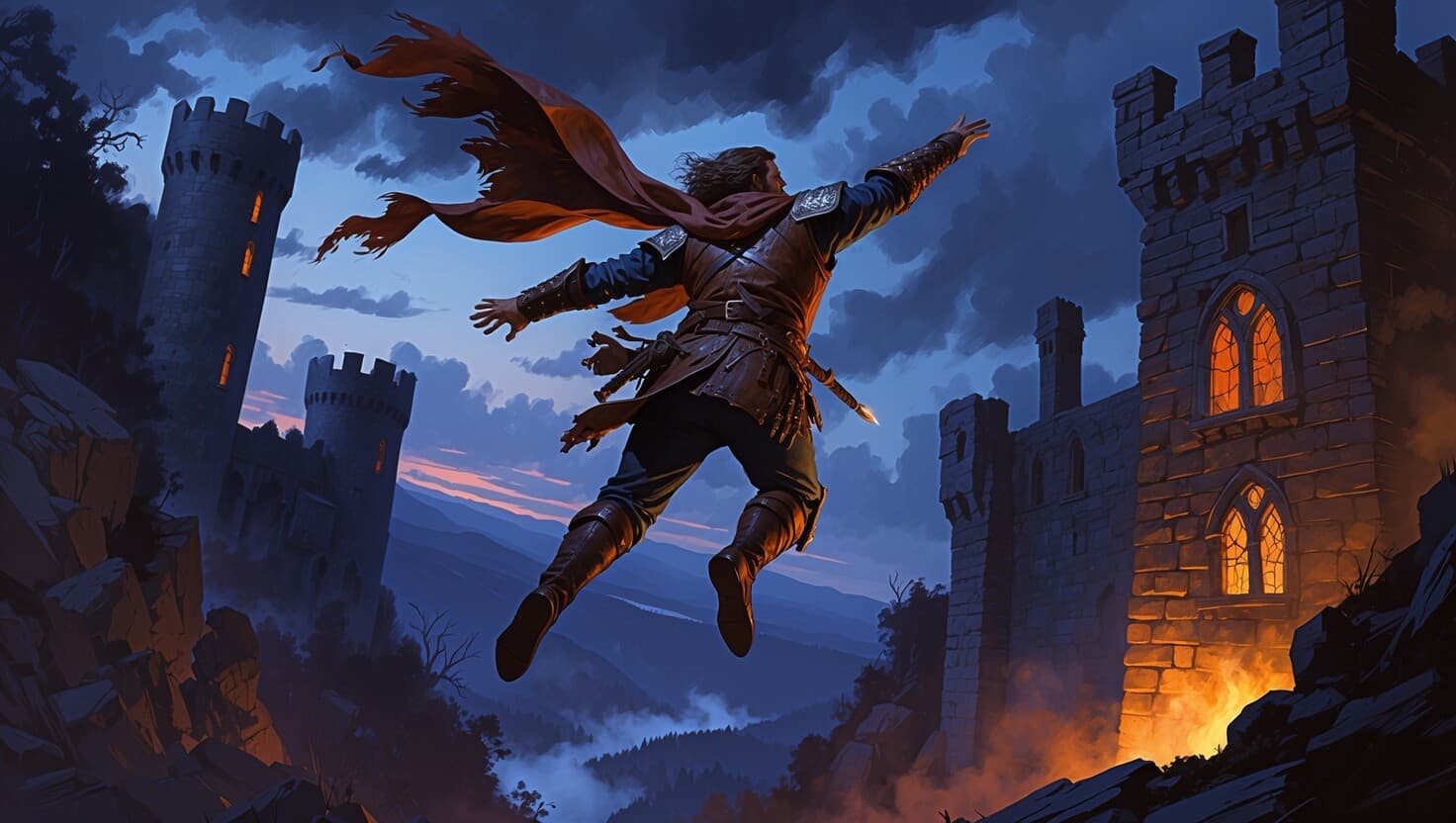
Falling damage 5e is 1d6 per 10 feet, capped at 20d6. Most tables remember the first half and forget the cap, the timing, and the prone landing.

Circle of the Moon is the combat Druid subclass, built around bonus-action Wild Shape and a beast form that soaks damage before your real HP is ever at risk.
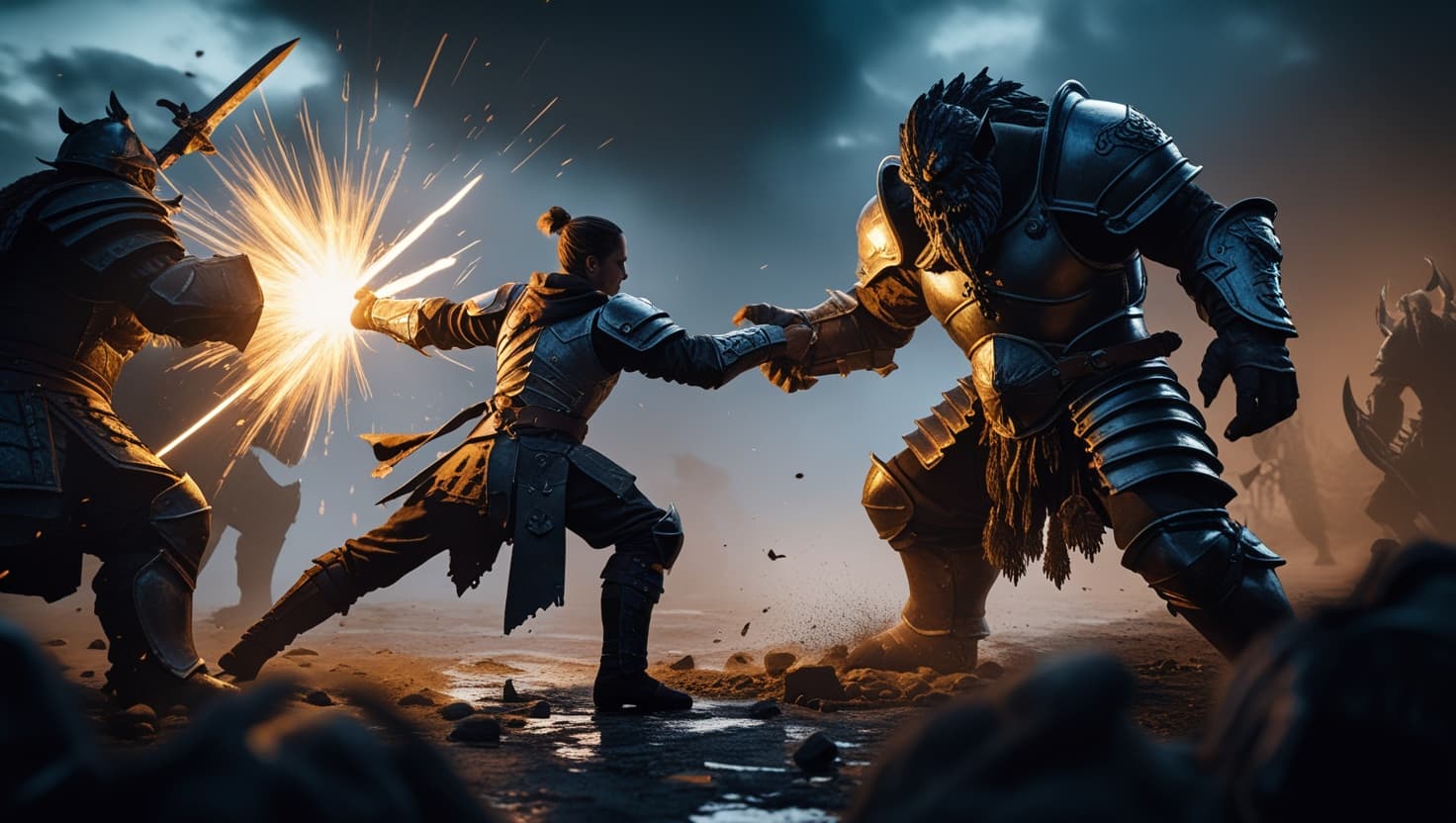
A critical hit in D&D 5e doubles your damage dice, not your damage. Here's the rule most tables misremember, and what actually doubles on a crit.
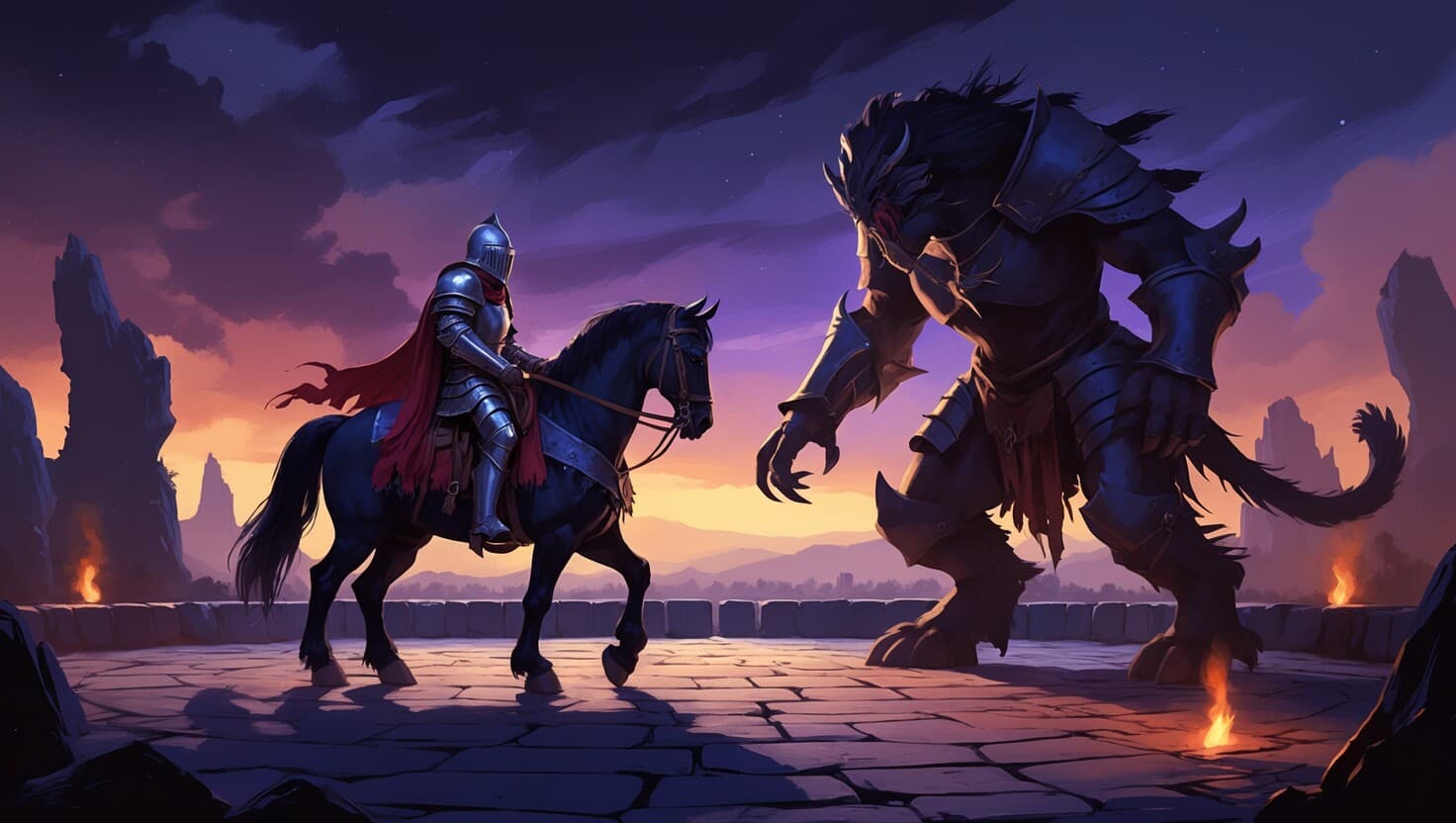
Mounted combat 5e fits on half a page, and most tables still get it backward: warhorses can't trample, and falling off is a real risk.
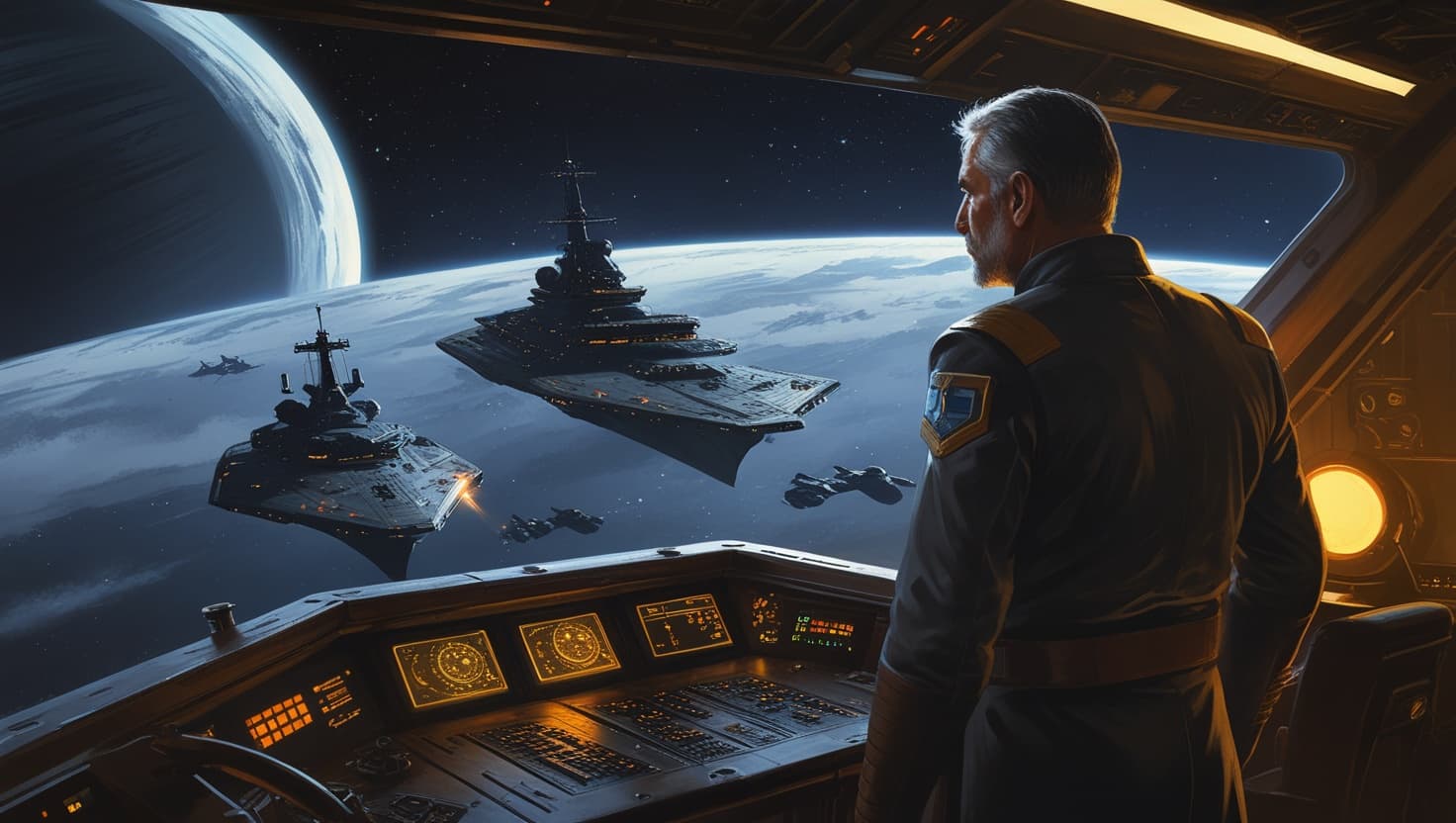
A space opera campaign lives or dies on factions the crew can actually touch, not a backdrop. Here is how to keep the politics real instead of decorative.
An isekai campaign lives or dies on the gap between two worlds, not the status screen. Here is how to keep that gap running instead of going generic.
A natural 20 is an automatic hit on an attack roll. On a skill check, it is just a 20. Here is why that distinction keeps tripping up tables, and what to do about it.