Playing a Druid With an AI Game Master: The Definitive Guide
Wild Shape isn't just a combat button - it's a second character an AI Game Master can react to in real time. Here's how to play a Druid well.
Build better characters — class and subclass guides, races, feats, ability scores, and party composition.
Wild Shape isn't just a combat button - it's a second character an AI Game Master can react to in real time. Here's how to play a Druid well.

Sorcerers don't study magic - they are magic, and every spell is a live decision. Here's how to play one well with an AI Game Master.

Barbarians aren't just big damage - Rage is a character trait an AI Game Master can track and test session after session. Here's how to play one well.

Paladins aren't just front-line tanks with healing on the side - they're the class whose whole identity is a promise the story can test. Here's how to play one with an AI Game Master.

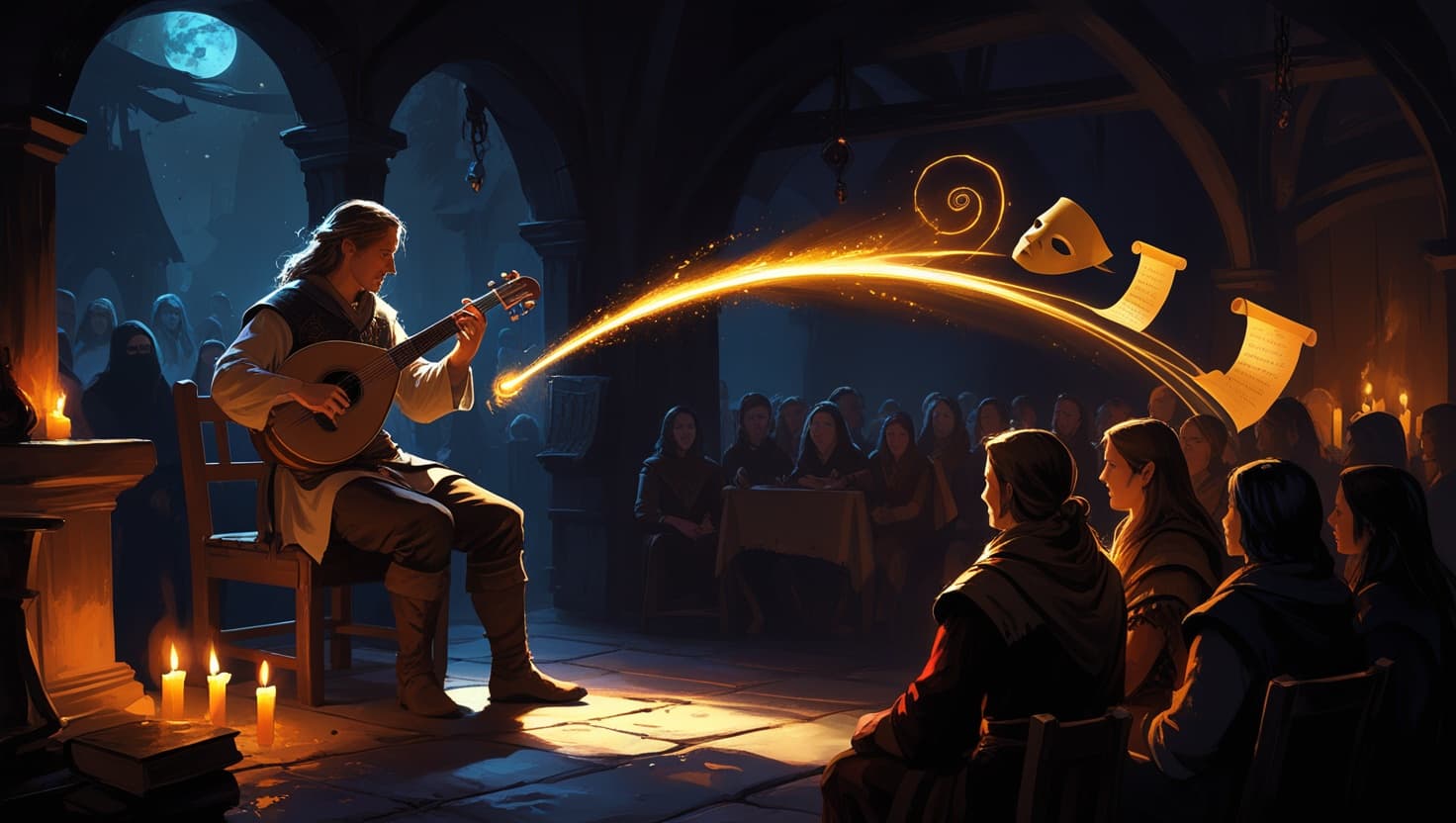
Bards aren't the party's backup singer - they're full casters who talk their way past fights the Fighter can't win. Here's how to play one with an AI Game Master.

Warlocks trade a spellbook for a pact - and an AI Game Master is the best possible partner for that bargain. Here's how to play one and make your patron feel real.

Bonus action spell 5e rules are stricter than most tables think. Here’s what you can still cast, what shuts off, and why turns get messy fast.

Concentration checks 5e get misplayed constantly. Here’s what actually breaks concentration, how the DC works, and why mid-fight mistakes matter.

D&D 5e concentration checks are less about dice luck and more about positioning, spell choice, and damage timing. Here's how to stop dropping your best spells.

Best D&D classes for small parties need to cover multiple jobs at once. Here’s which 5e classes actually hold up in 1, 2, and 3 player groups.

Do you need a healer in D&D 5e? Usually no. Here’s when a no-healer party works, when it fails, and how to survive without a cleric.

Staring at a blank character sheet? These 20 backstory ideas give you a jumping-off point your GM can actually use - organized by archetype, with class suggestions and built-in plot hooks.