One Hour D&D Session: Stop Shrinking the Wrong Parts
A one hour D&D session can work, but not if you run a four-hour game faster. Cut setup, cap scenes, and keep the first choice close.
D&D guides, solo RPG tips, and AI Game Master insights.
A one hour D&D session can work, but not if you run a four-hour game faster. Cut setup, cap scenes, and keep the first choice close.
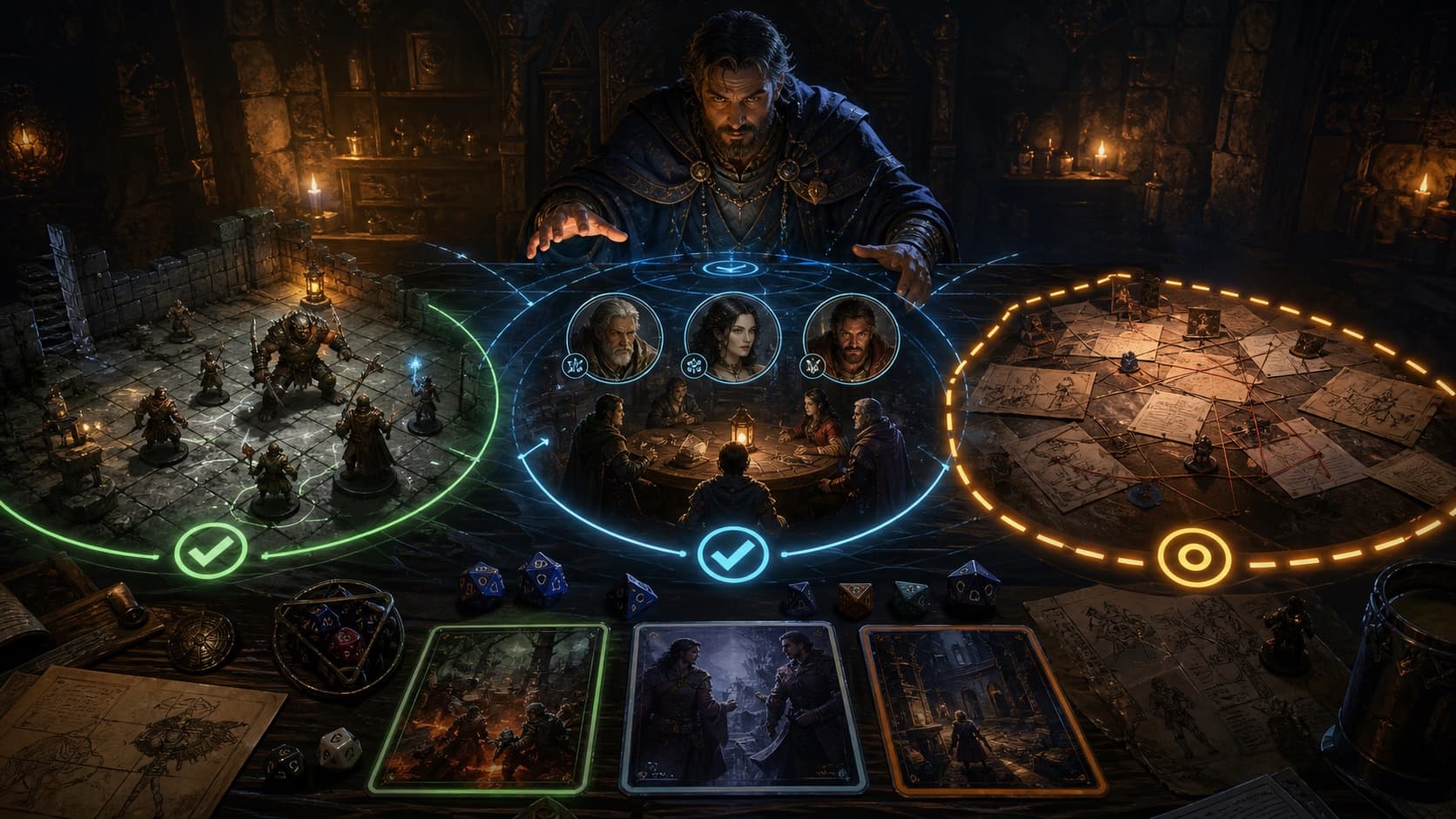
An AI DM can run more than tavern banter, but not every part of D&D is equally ready. Here's what works, what breaks, and how to judge it.
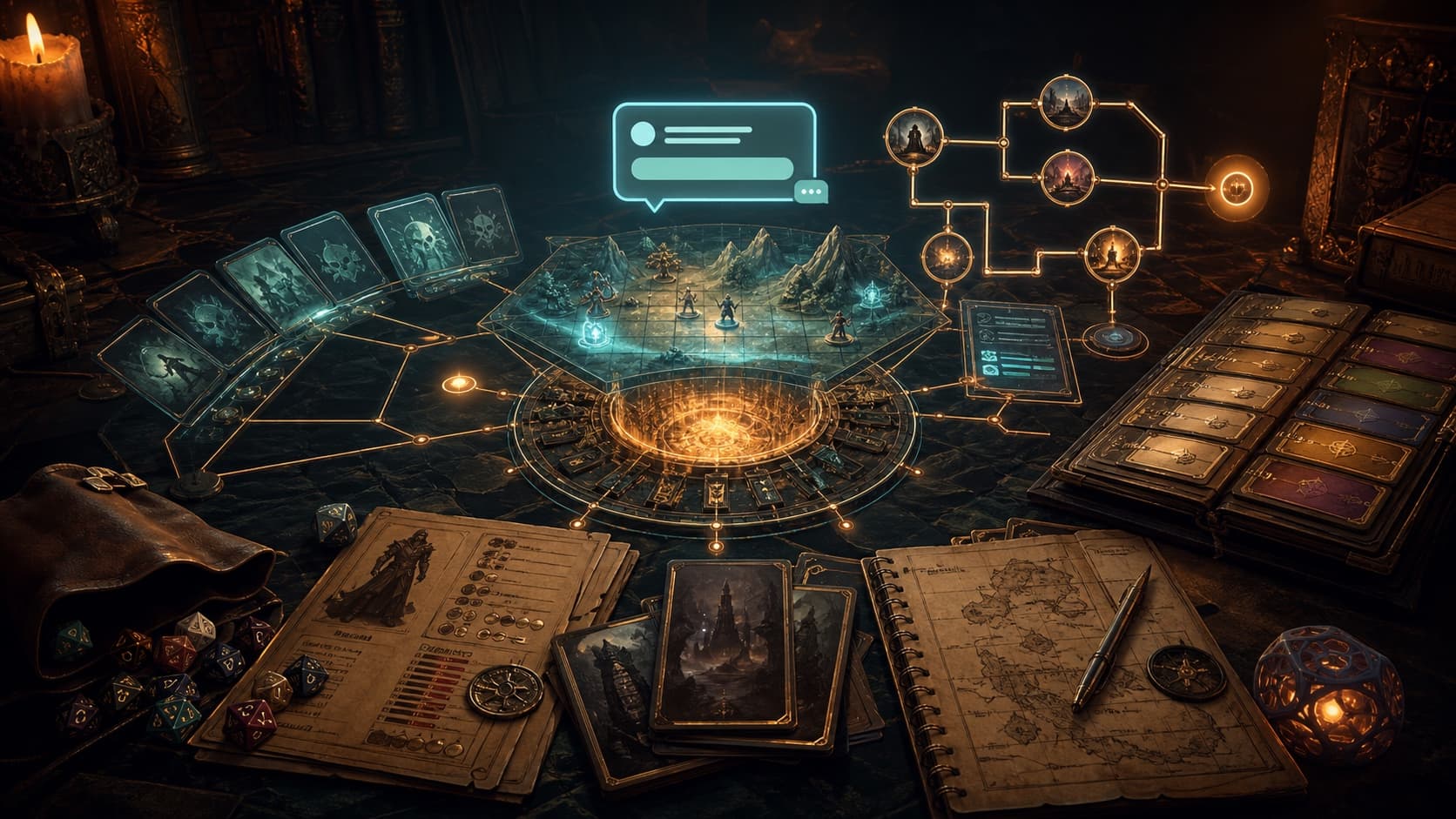
An AI tabletop RPG needs rules, memory, dice, characters, and consequences. A fantasy chatbot can fake the vibe, but not the game.
Initiative 5e is simple on paper, but messy starts, surprise calls, and table chatter can drain combat before round one.
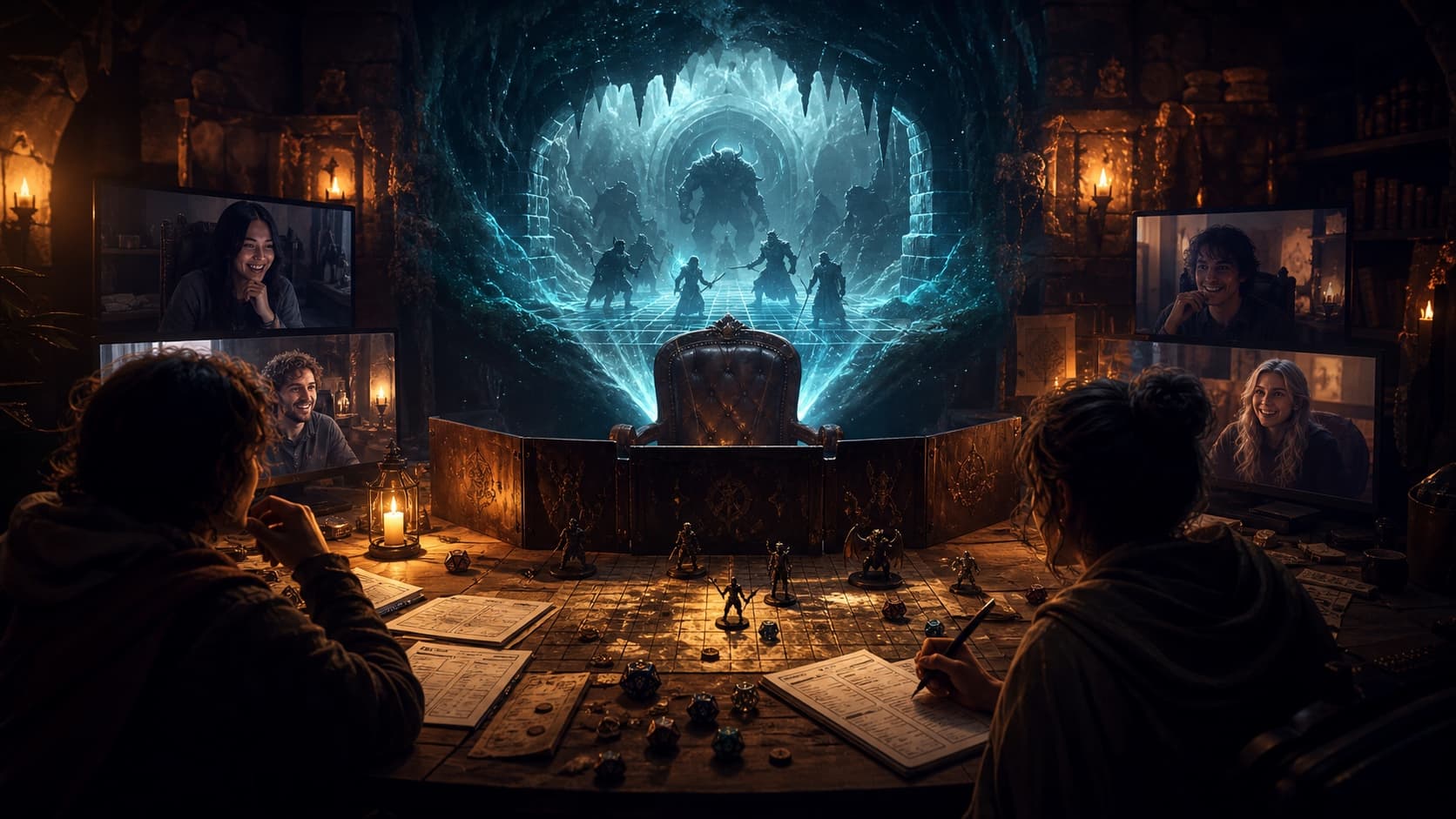
Play D&D online with AI when the real blocker is not maps, dice, or voice chat. It is the missing Dungeon Master.

Looking for the best AI game master in 2026? We compared StoryRoll, Fables.gg, AI Realm, AI Dungeon, AIDungeonMaster.ai, RoleForge, LoreKeeper, and raw LLMs.
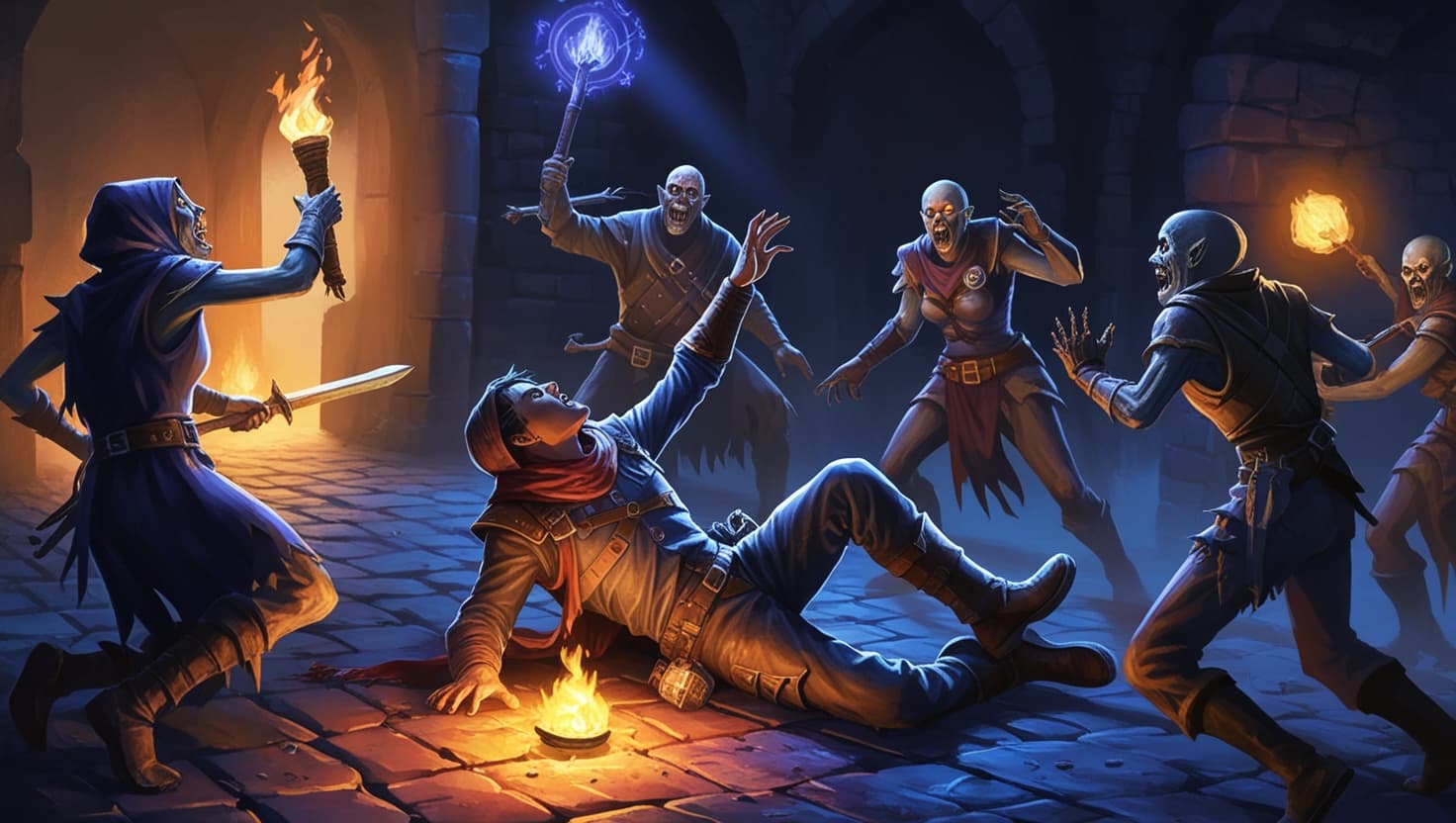
Death saves 5e create tension, but most tables make them too forgiving. Here’s why yo-yo healing keeps winning and how to fix it.
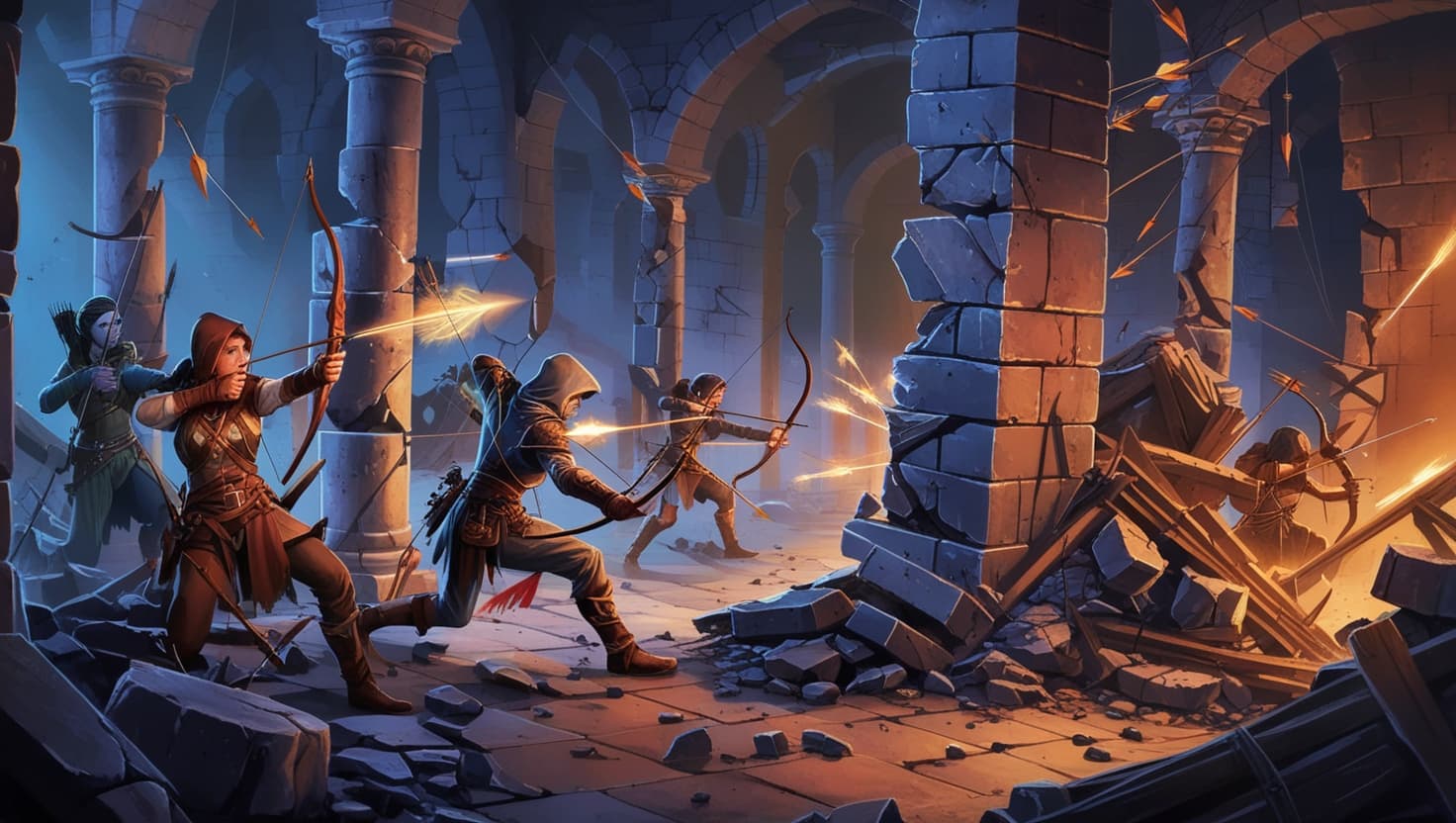
Cover rules 5e add AC, Dex save bonuses, and total-cover limits. Most tables ignore them, and ranged combat gets worse because of it.
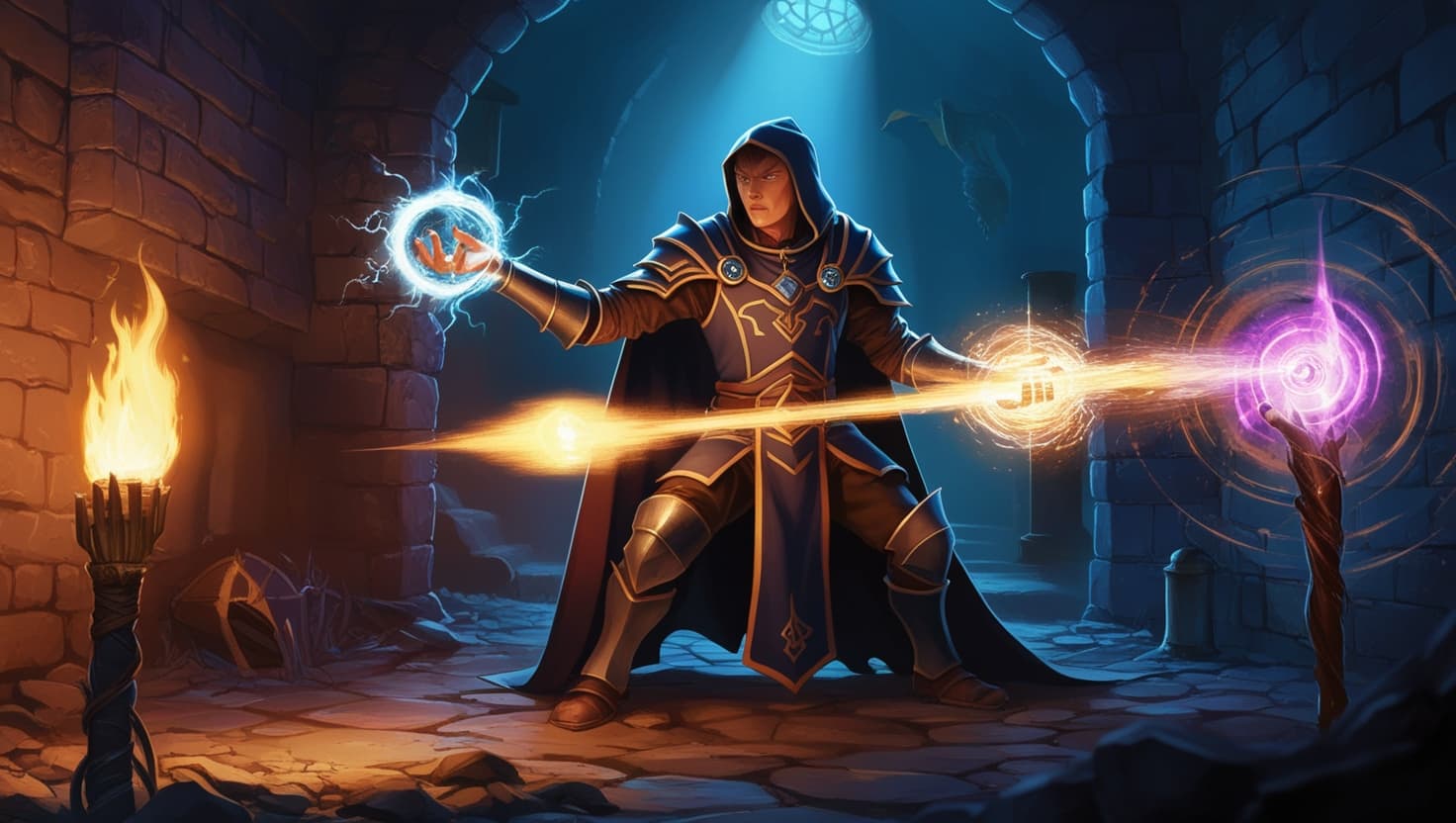
Bonus action spell 5e rules are stricter than most tables think. Here’s what you can still cast, what shuts off, and why turns get messy fast.
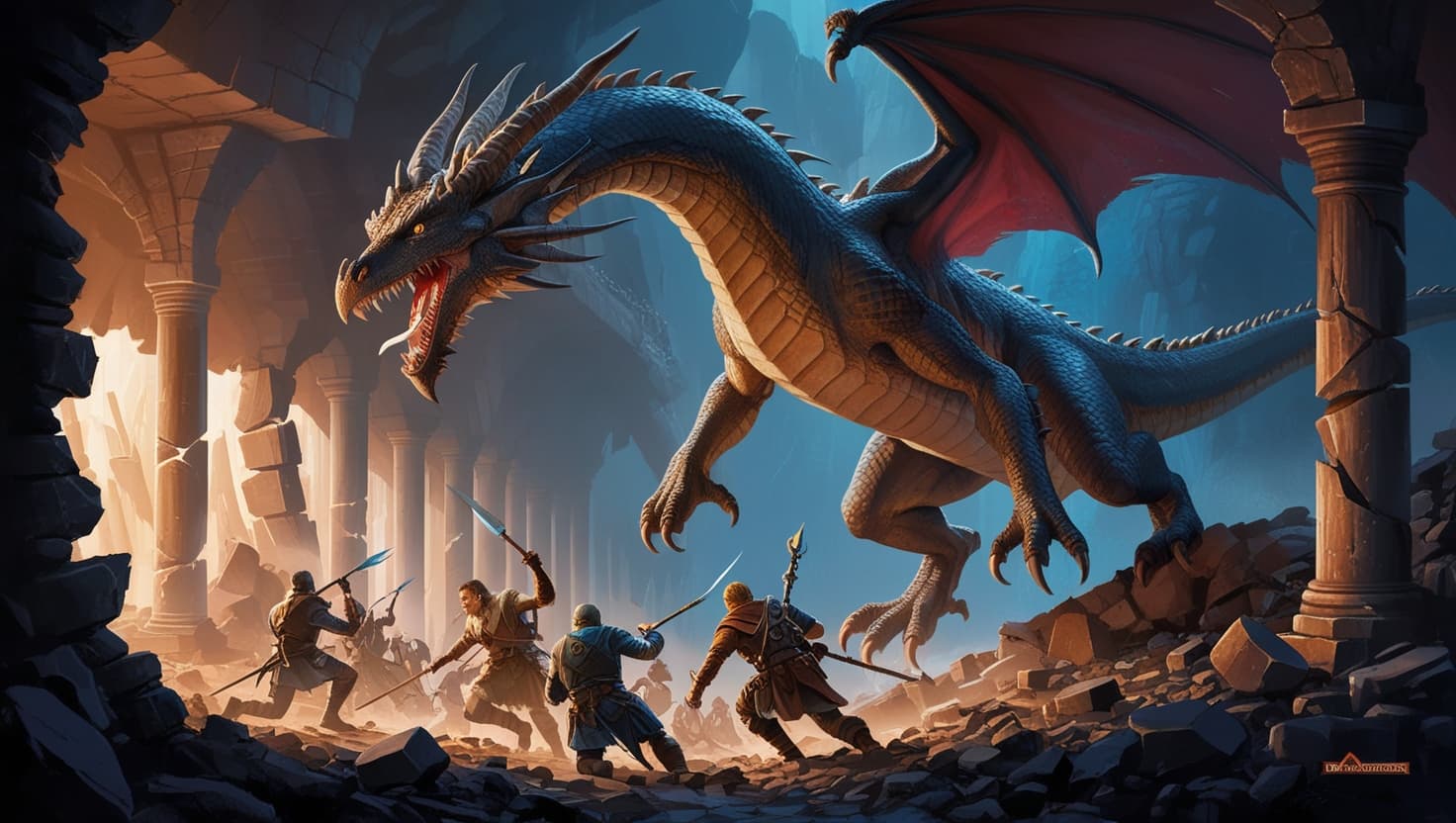
Legendary actions 5e fix action economy, but bad timing and weak design still make boss fights collapse. Here’s how to make them matter.
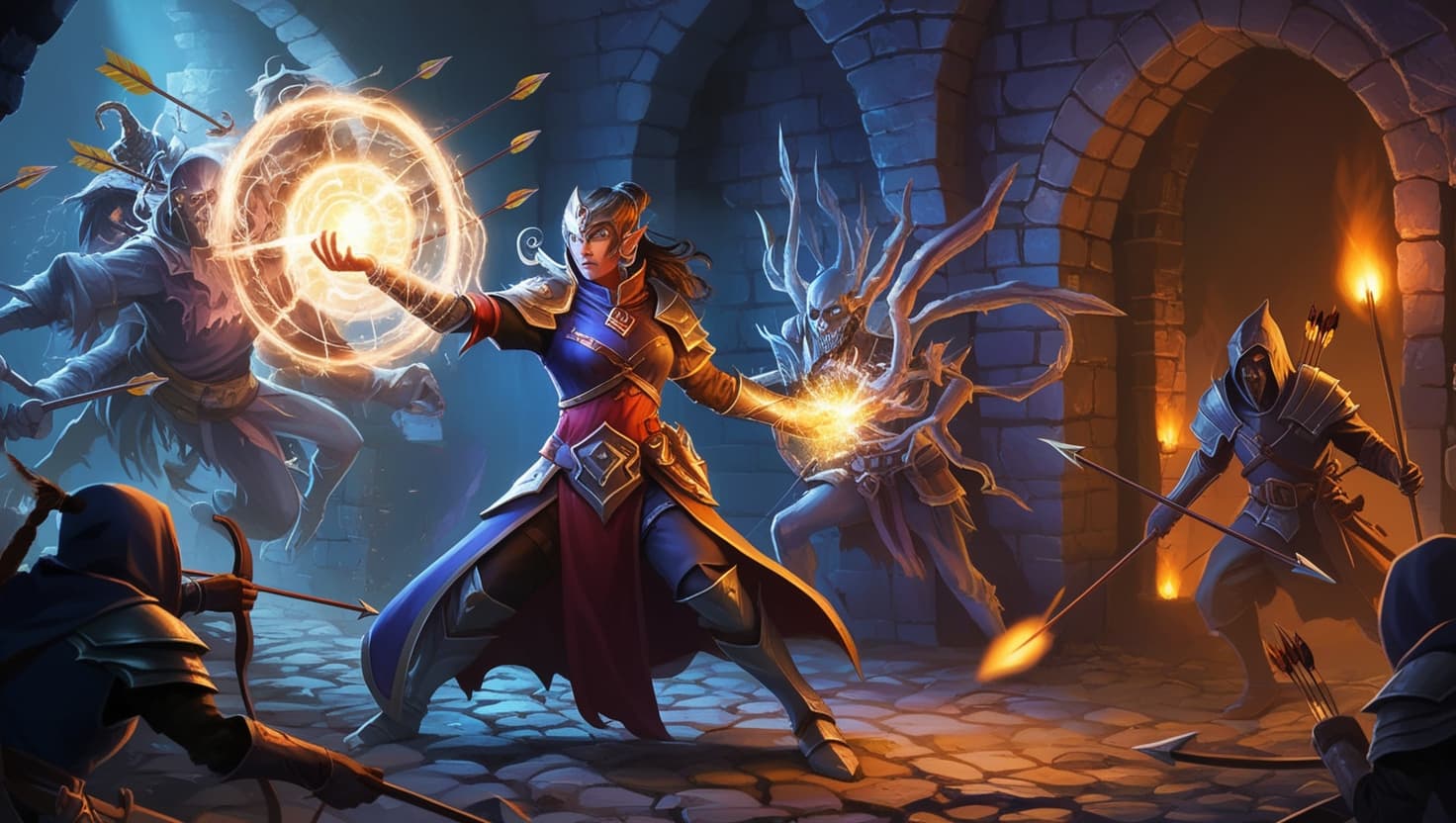
Concentration checks 5e get misplayed constantly. Here’s what actually breaks concentration, how the DC works, and why mid-fight mistakes matter.
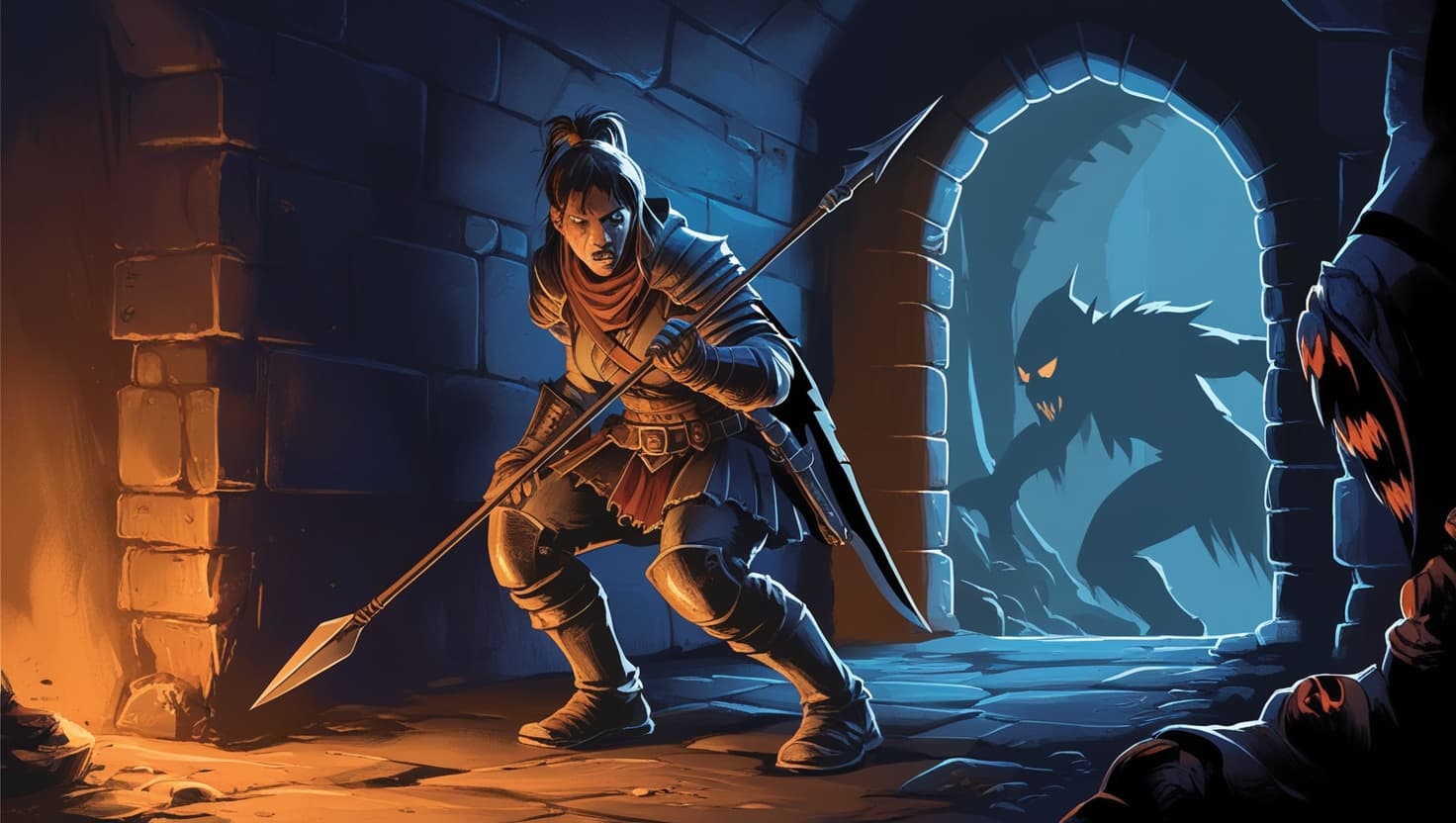
Ready action 5e sounds tactical, but it often burns your reaction, your action, and your timing. Here’s when it works and when it backfires.