Dodge Action 5e: The Option Everyone Skips
The Dodge action in 5e makes every attack against you worse and every Dexterity save better, for free. Here's why almost nobody takes it, and when they should.
Run better fights — combat tactics, encounter design, and memorable boss battles.
The Dodge action in 5e makes every attack against you worse and every Dexterity save better, for free. Here's why almost nobody takes it, and when they should.
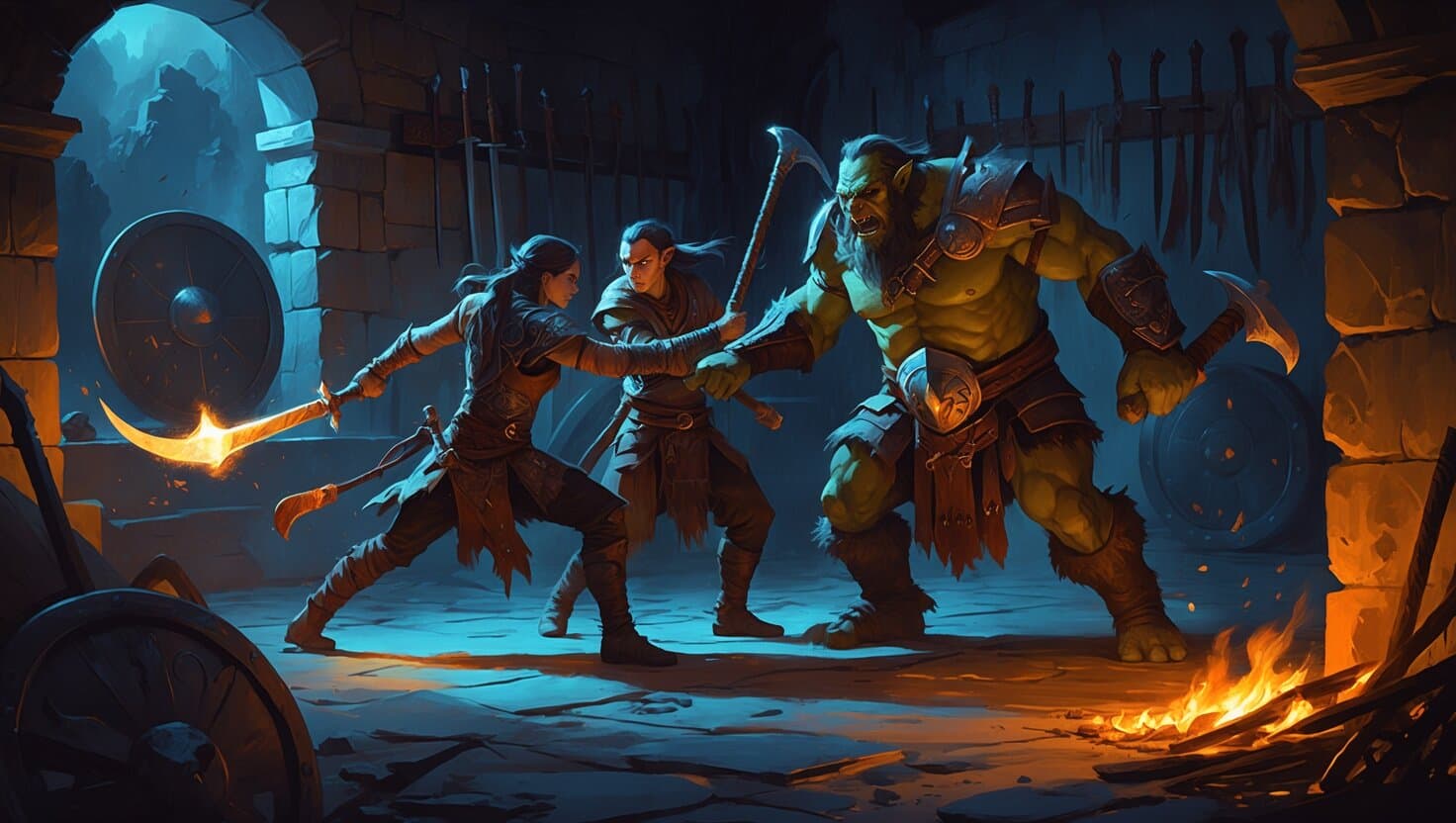
Weapon mastery 5e isn't a buff every martial character gets automatically. It's a short, chosen list of weapons, and most tables misplay at least one part of it.
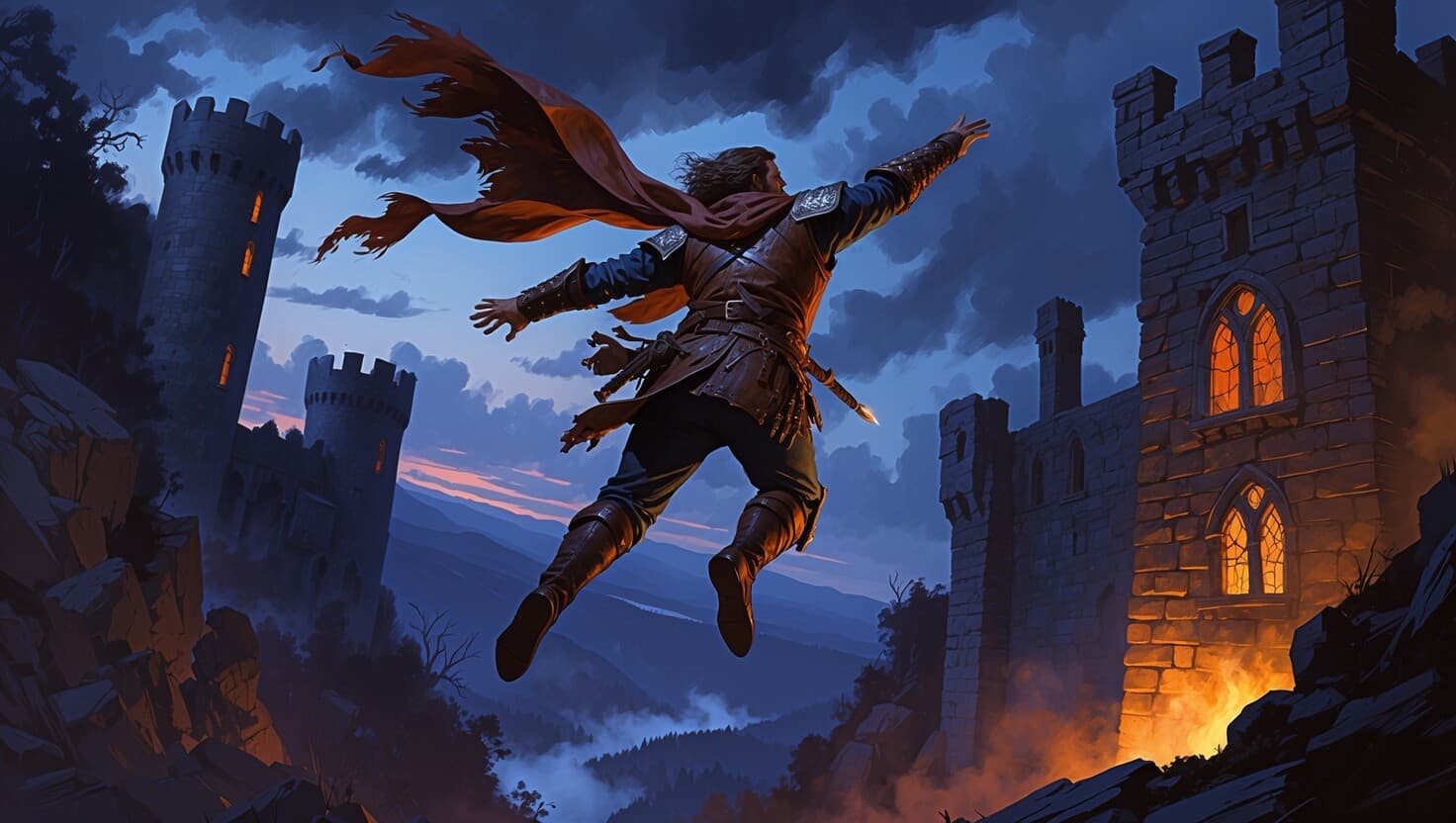
Falling damage 5e is 1d6 per 10 feet, capped at 20d6. Most tables remember the first half and forget the cap, the timing, and the prone landing.
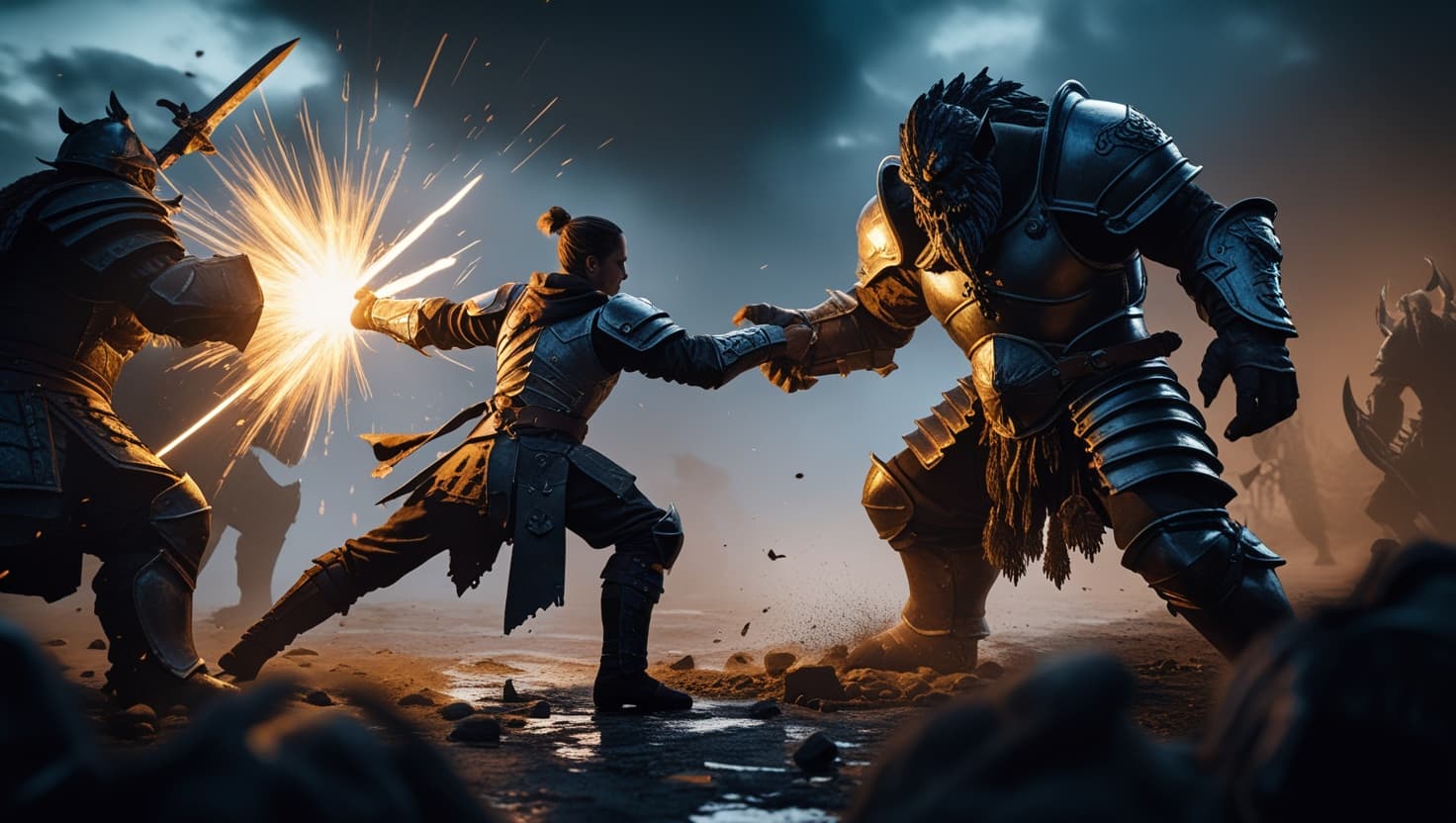
A critical hit in D&D 5e doubles your damage dice, not your damage. Here's the rule most tables misremember, and what actually doubles on a crit.
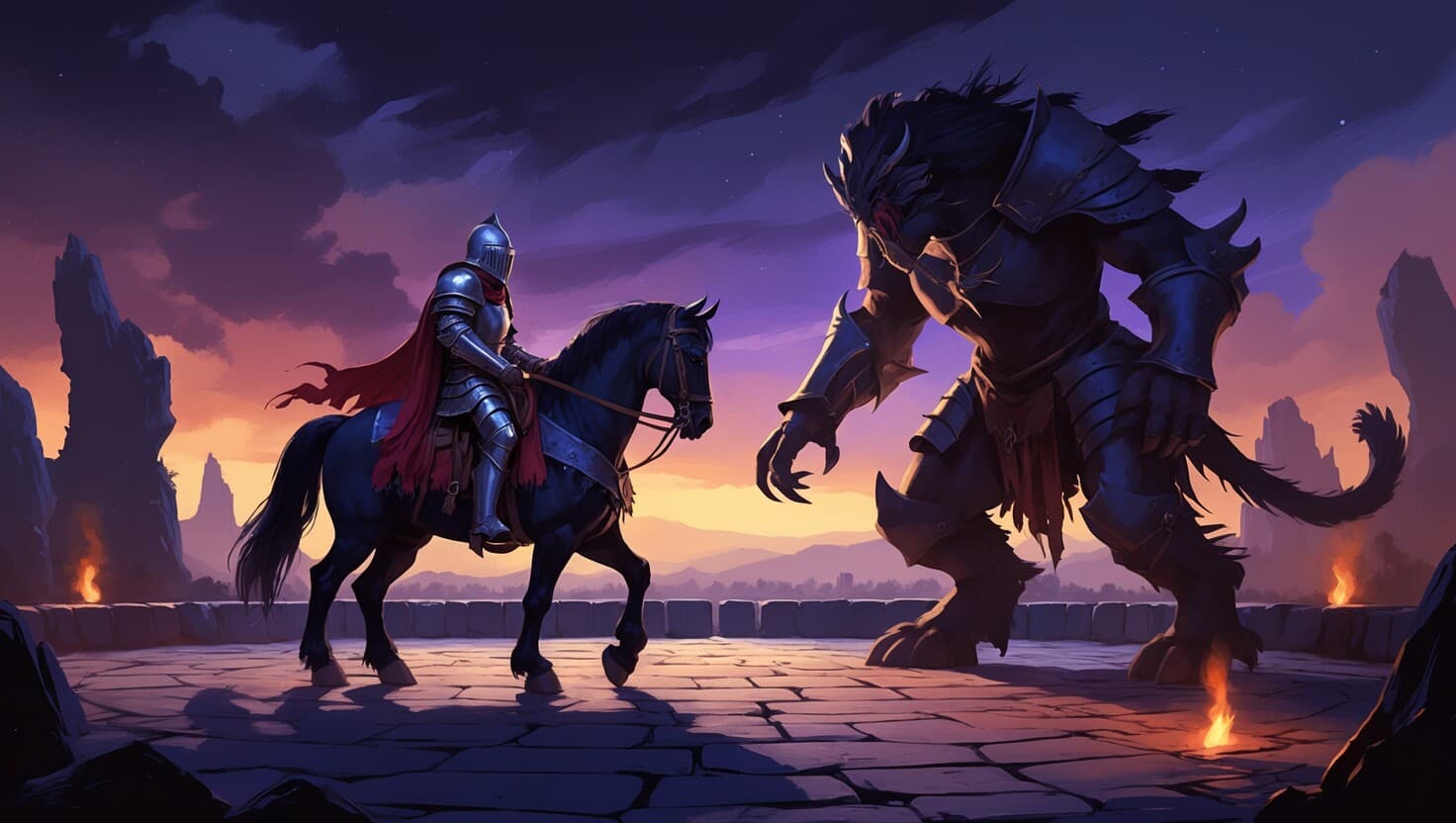
Mounted combat 5e fits on half a page, and most tables still get it backward: warhorses can't trample, and falling off is a real risk.
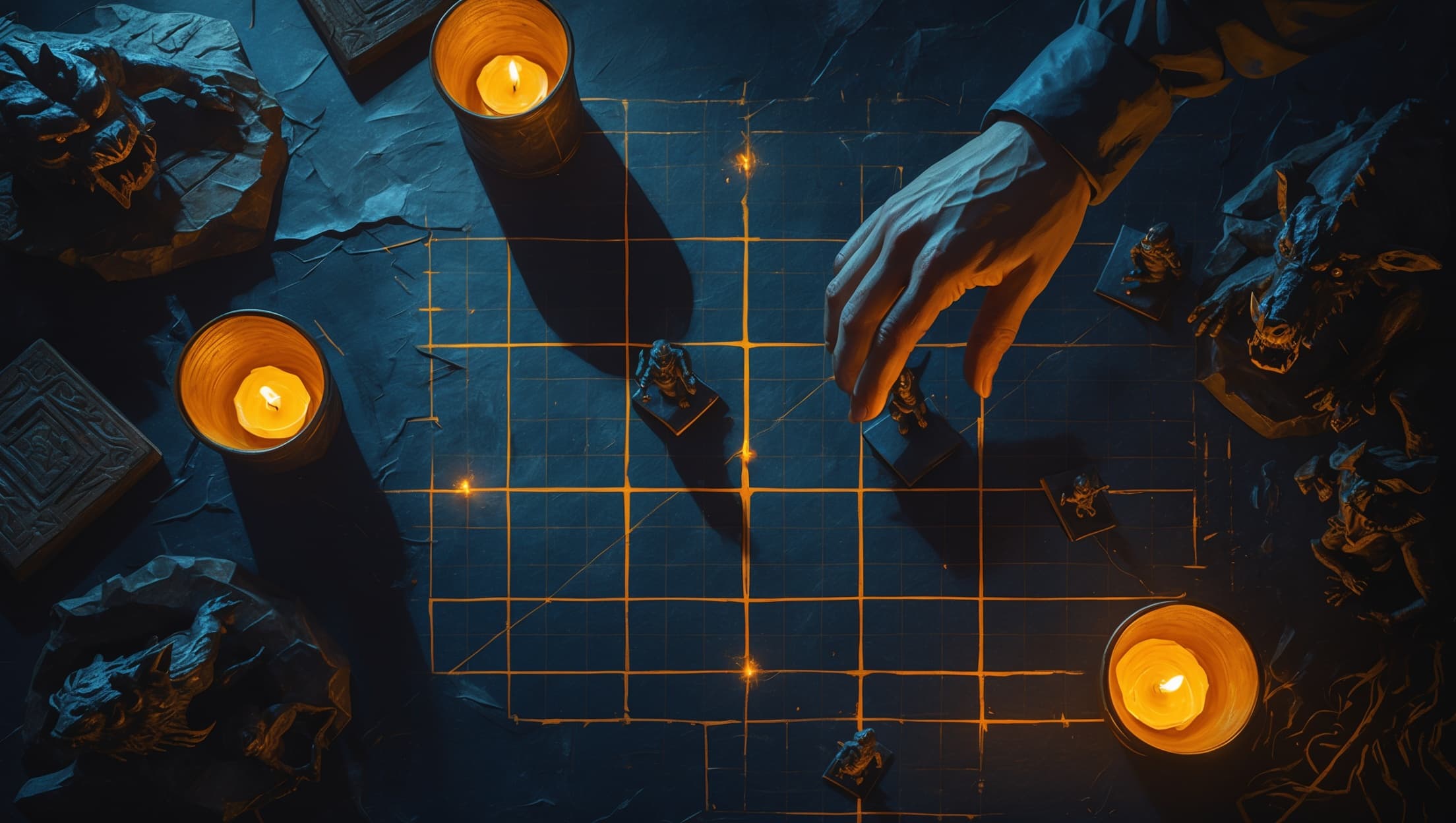
Diagonal movement 5e has two official answers, and most tables are quietly using the wrong one for their own map. Here is what the rules actually say.
There's no such thing as a surprise round in D&D 5e. The surprised condition restricts one creature's own turn, and the 2024 rules changed what that restriction actually does.
Shove 5e is a free melee attack most tables forget they have, and the two tables that remember it usually run it wrong. Here's the actual rule.
Two-weapon fighting 5e lets you attack twice for one action, but most tables add a damage bonus to the second hit that the base rule never grants. Here's the exact rule and the fix.
The prone condition in D&D 5e isn't a melee-vs-ranged rule. It's a distance rule, and the difference changes how reach weapons and close-range shots actually resolve.
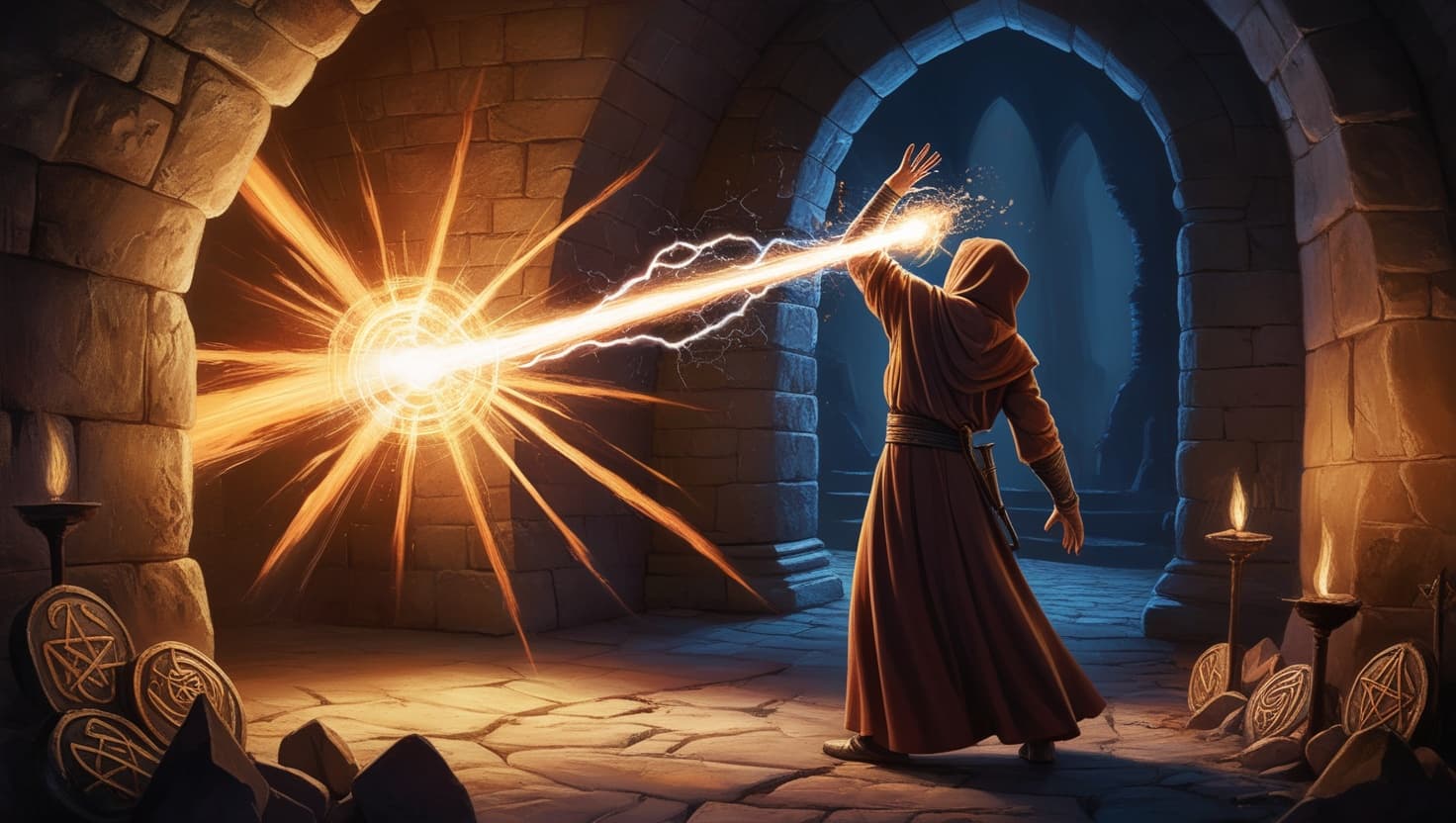
Counterspell 5e sounds simple until it hits the table: what you're allowed to know before you cast it, how upcasting actually works, and whether a counterspell can itself be countered.
Advantage and disadvantage 5e never stack, even with three sources on the same roll. Here's the exact rule, why one of each cancels out, and why tables keep arguing anyway.