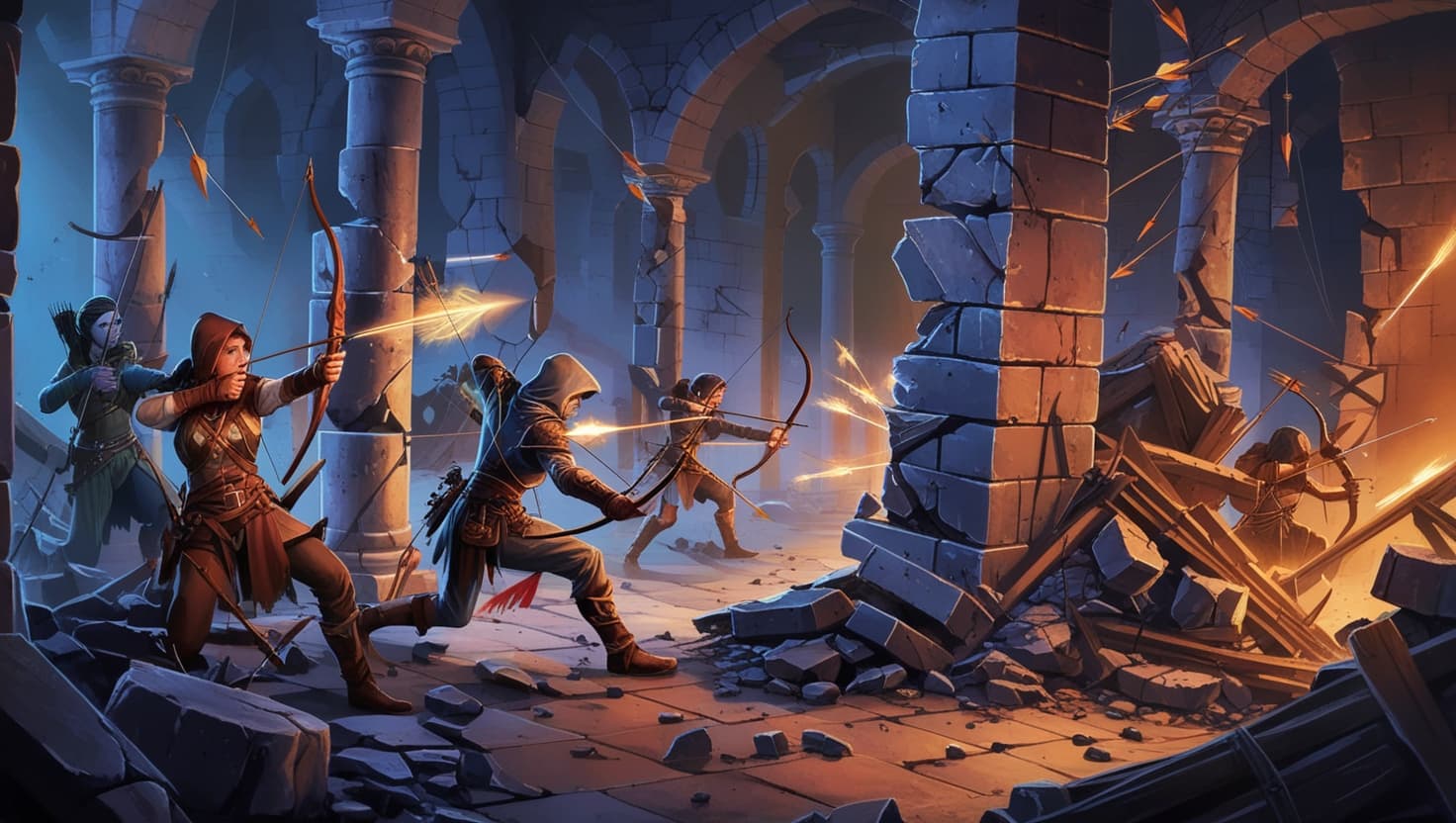
Cover Rules 5e: Why Your Ranged Fights Keep Feeling Flat
Cover rules 5e add AC, Dex save bonuses, and total-cover limits. Most tables ignore them, and ranged combat gets worse because of it.
D&D guides, solo RPG tips, and AI Game Master insights.
Cover rules 5e add AC, Dex save bonuses, and total-cover limits. Most tables ignore them, and ranged combat gets worse because of it.
Bonus action spell 5e rules are stricter than most tables think. Here’s what you can still cast, what shuts off, and why turns get messy fast.
Legendary actions 5e fix action economy, but bad timing and weak design still make boss fights collapse. Here’s how to make them matter.
Concentration checks 5e get misplayed constantly. Here’s what actually breaks concentration, how the DC works, and why mid-fight mistakes matter.
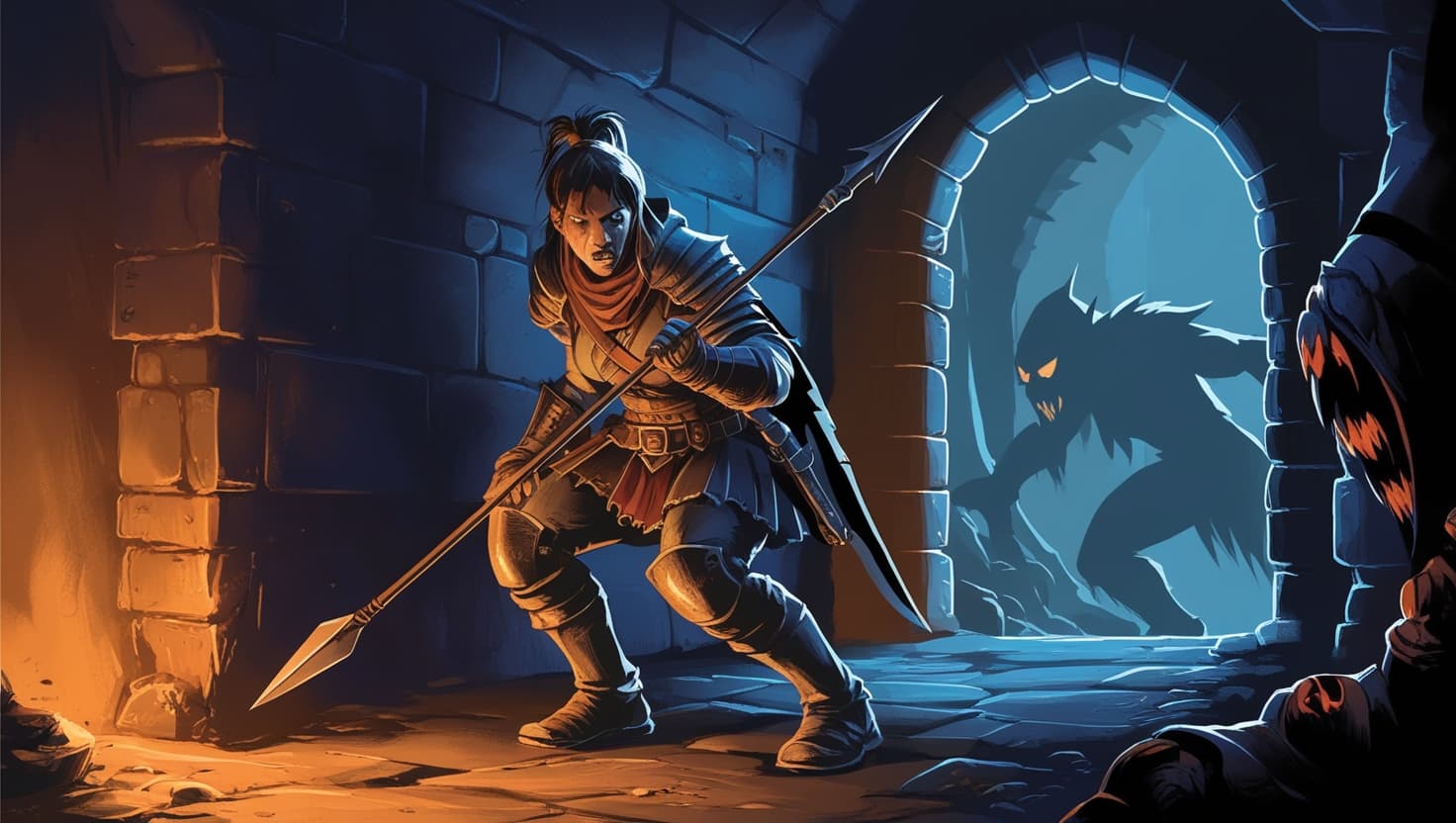
Ready action 5e sounds tactical, but it often burns your reaction, your action, and your timing. Here’s when it works and when it backfires.
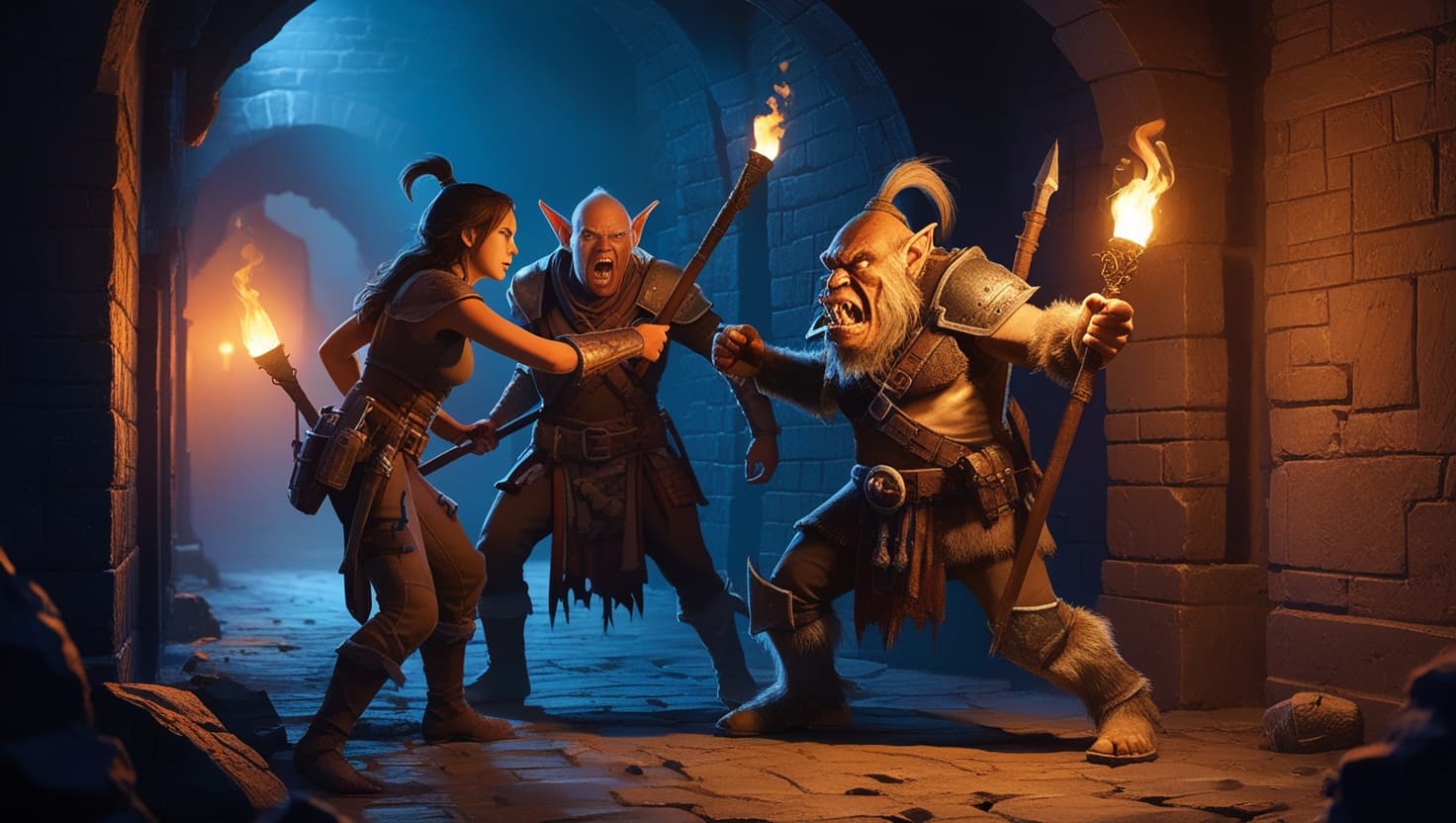
Flanking 5e sounds like a smart melee fix, but it often makes combat flatter, swingier, and less interesting. Here’s when to cut it or change it.
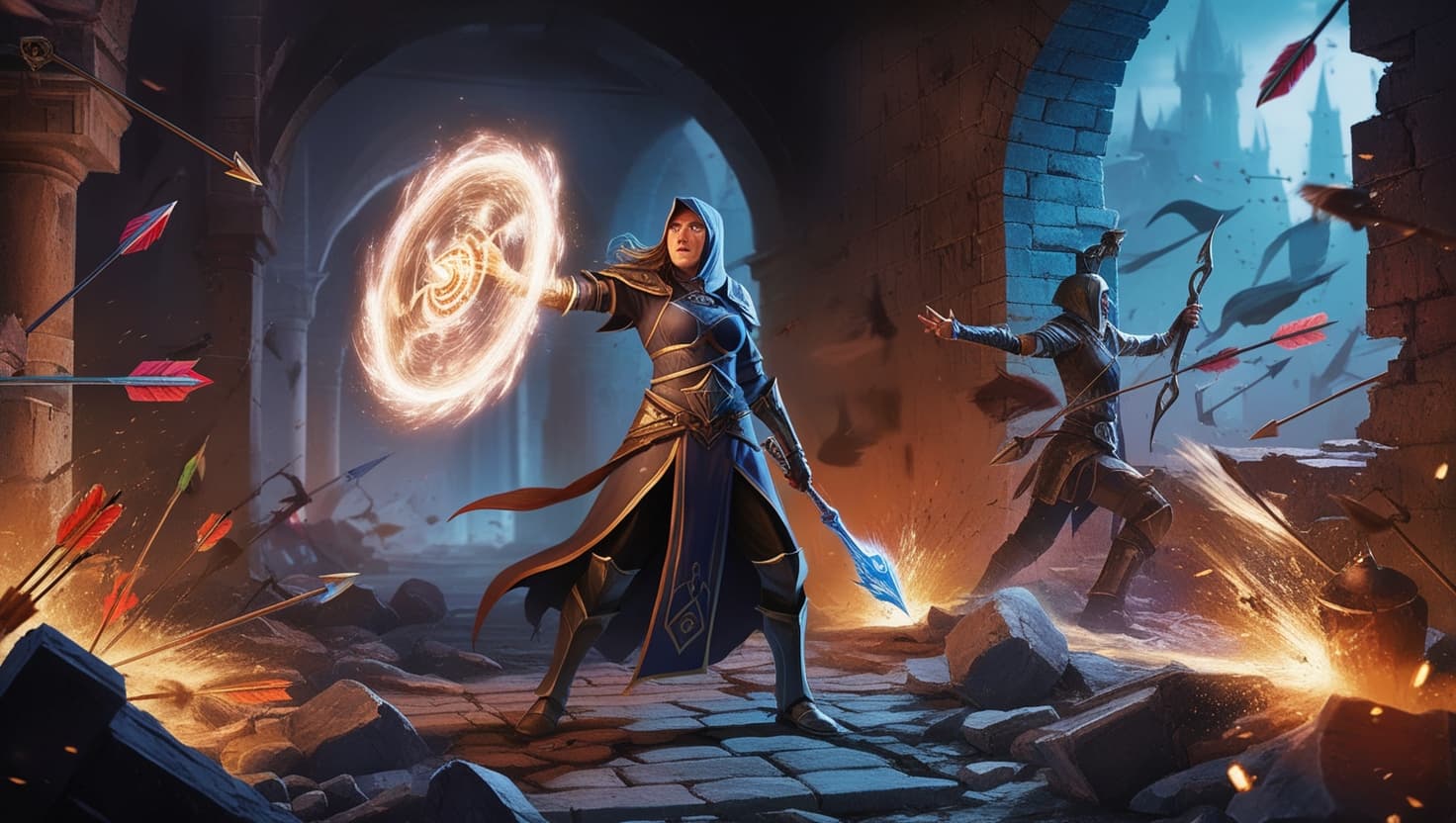
D&D 5e concentration checks are less about dice luck and more about positioning, spell choice, and damage timing. Here's how to stop dropping your best spells.
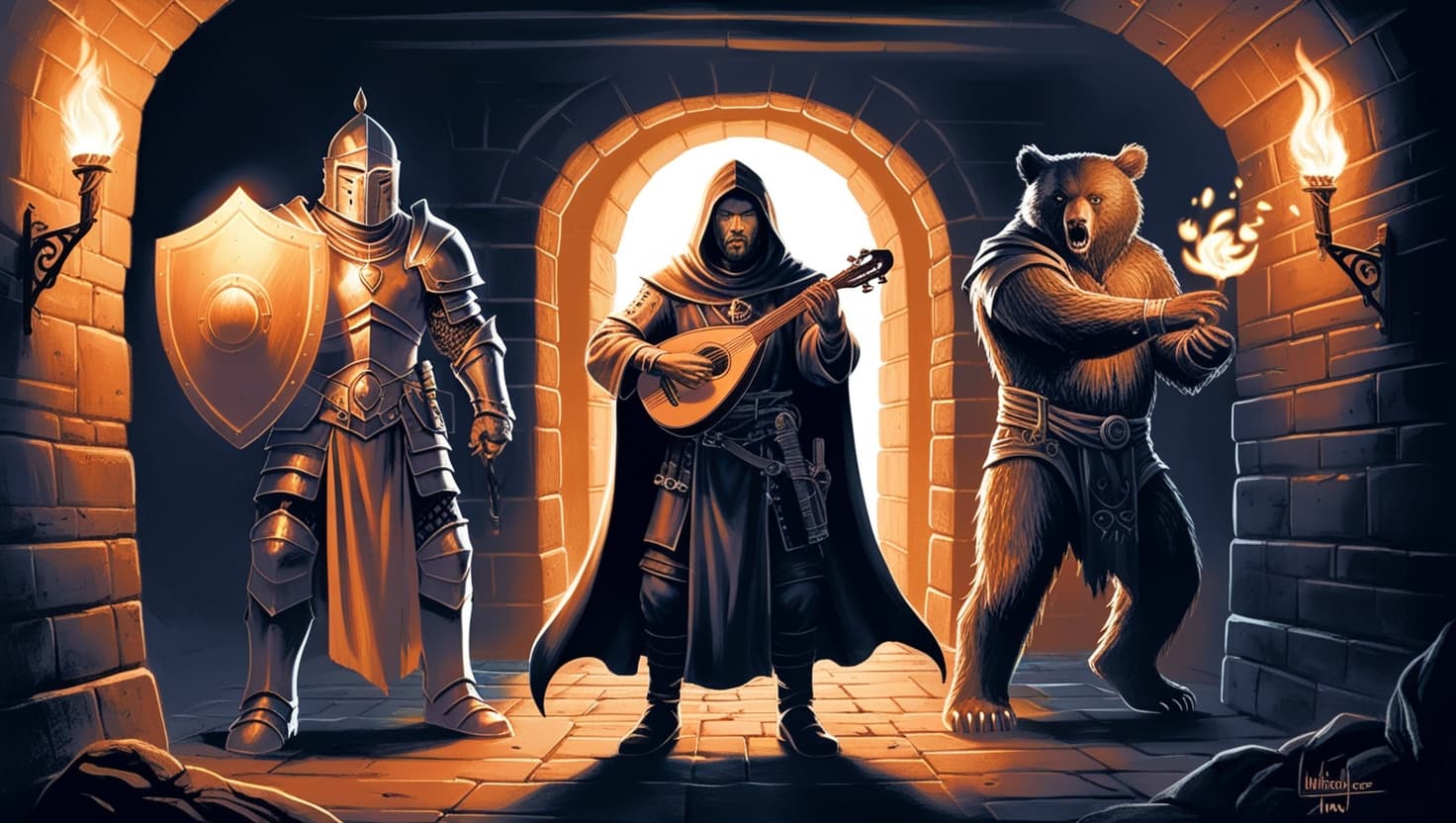
Best D&D classes for small parties need to cover multiple jobs at once. Here’s which 5e classes actually hold up in 1, 2, and 3 player groups.
Passive perception 5e is not a backup roll button. Learn when to use it, when to roll, and why constant perception checks slow your game down.
Best D&D party size for most campaigns is four players. Here’s when three works better, when five is worth it, and when your table is just too big.
Do you need a healer in D&D 5e? Usually no. Here’s when a no-healer party works, when it fails, and how to survive without a cleric.
Run D&D for two players without it feeling empty. Duet campaign structure, sidekick rules, encounter rebalancing, and modules built for 1-on-1 play.