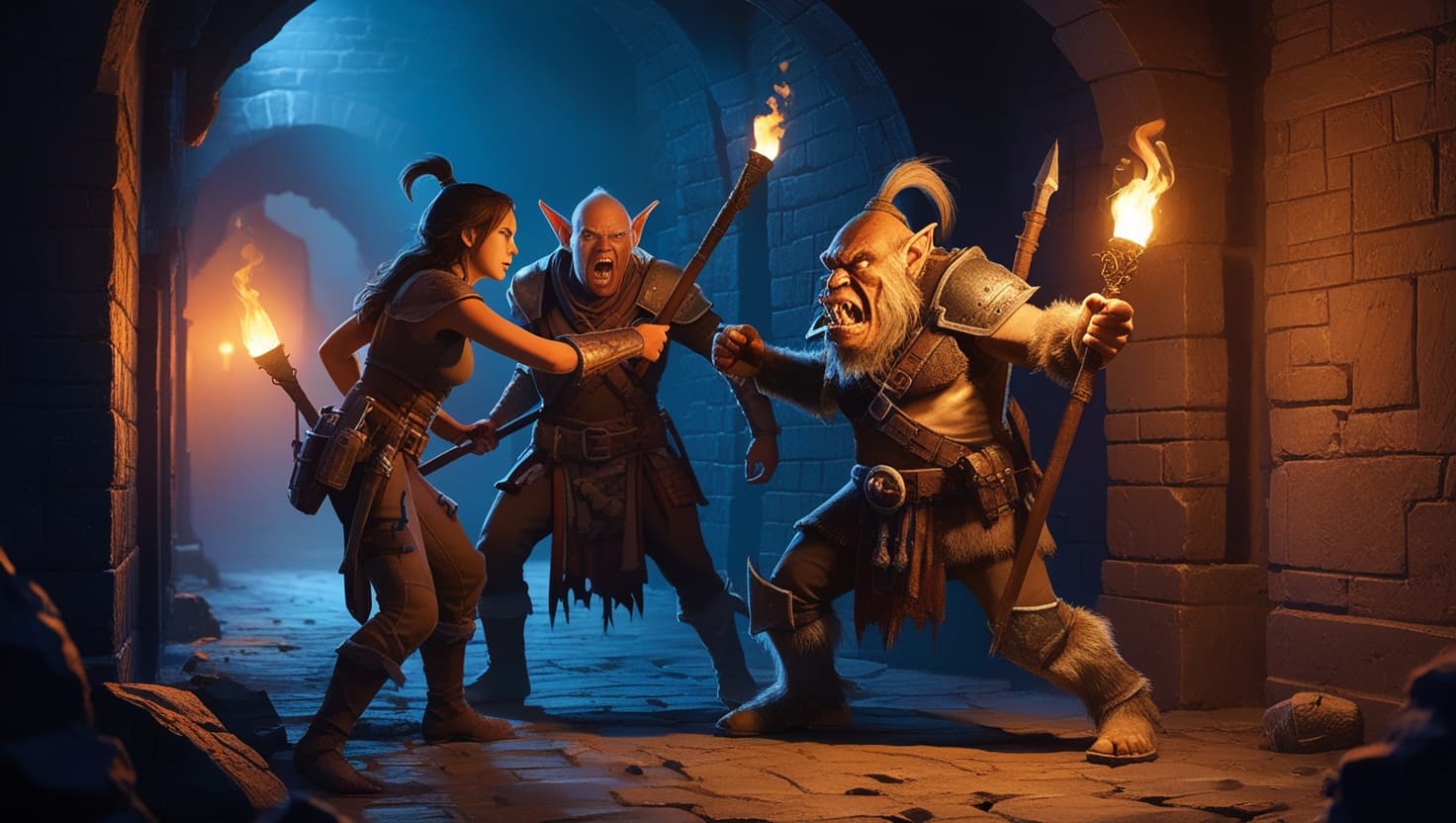
Flanking 5e: Why This 'Helpful' Rule Makes Combat Worse
Flanking 5e sounds like a smart melee fix, but it often makes combat flatter, swingier, and less interesting. Here’s when to cut it or change it.
Run better fights — combat tactics, encounter design, and memorable boss battles.
Flanking 5e sounds like a smart melee fix, but it often makes combat flatter, swingier, and less interesting. Here’s when to cut it or change it.
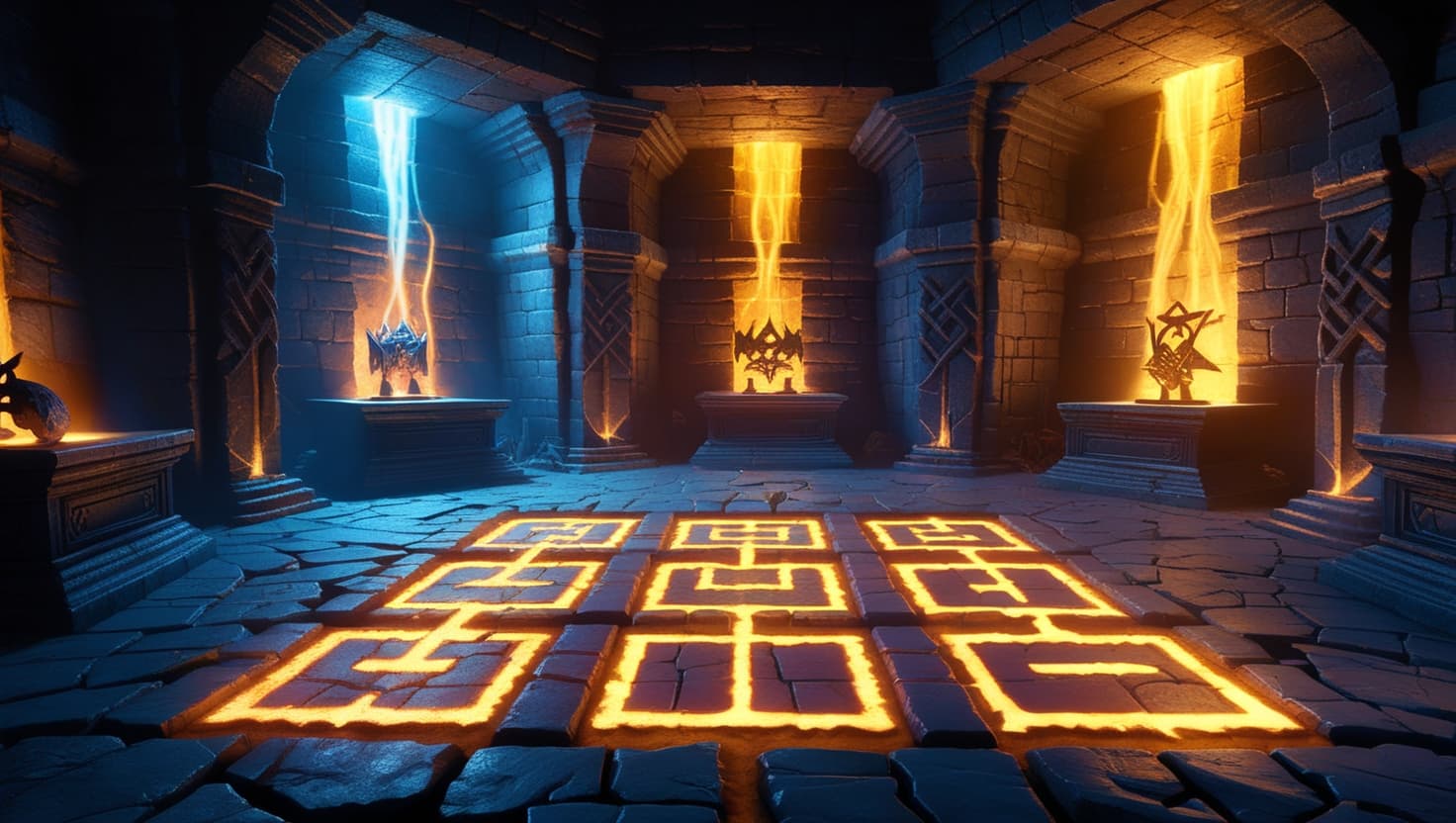
Most D&D puzzles kill momentum instead of building it. Here are the design mistakes DMs keep making and 5 puzzle frameworks that players love.
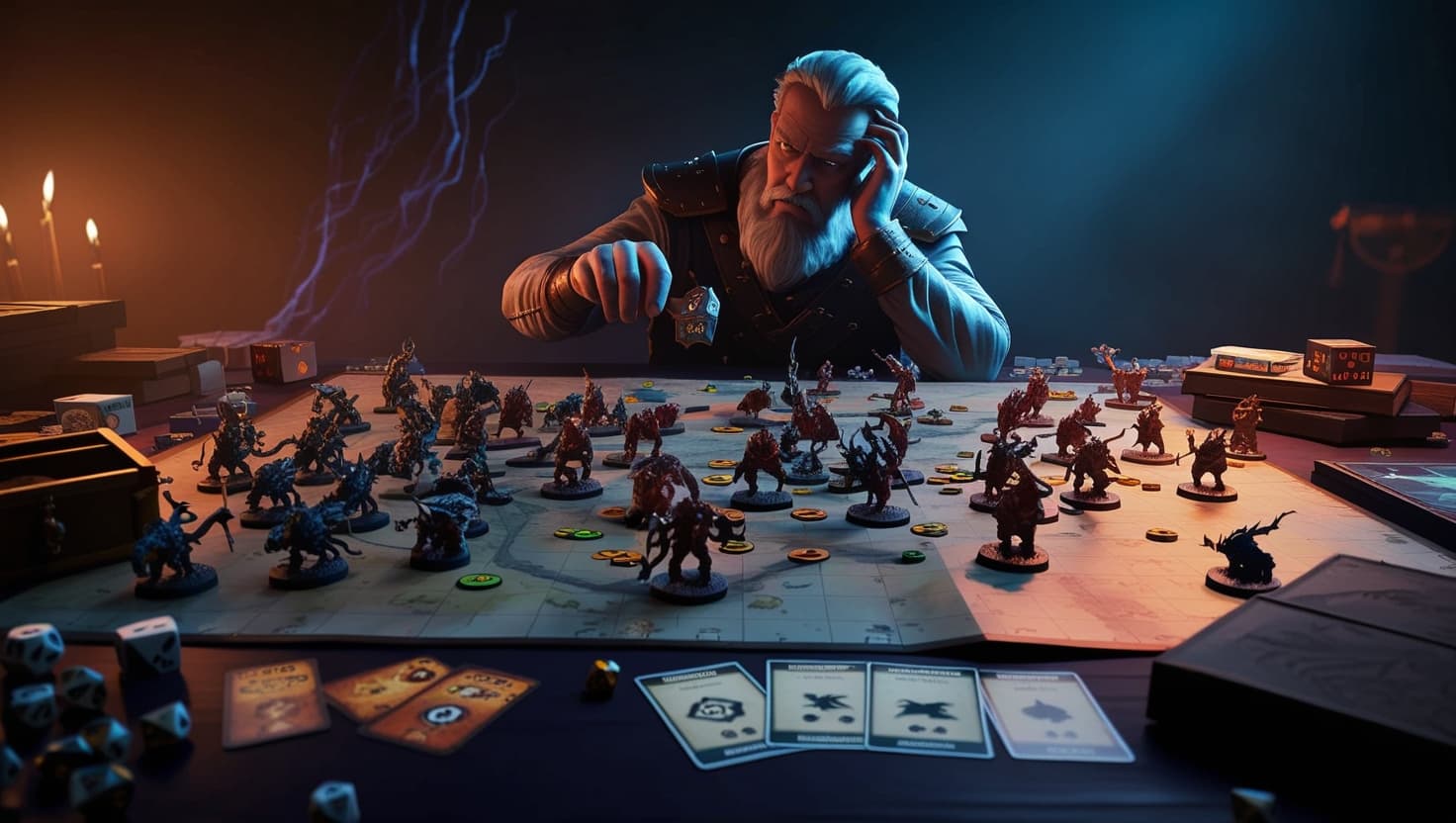
CR math alone won't save your encounters. This guide covers everything new GMs need to know about balancing D&D 5e encounters - from XP budgets and action economy to reading your table and adjusting mid-fight.
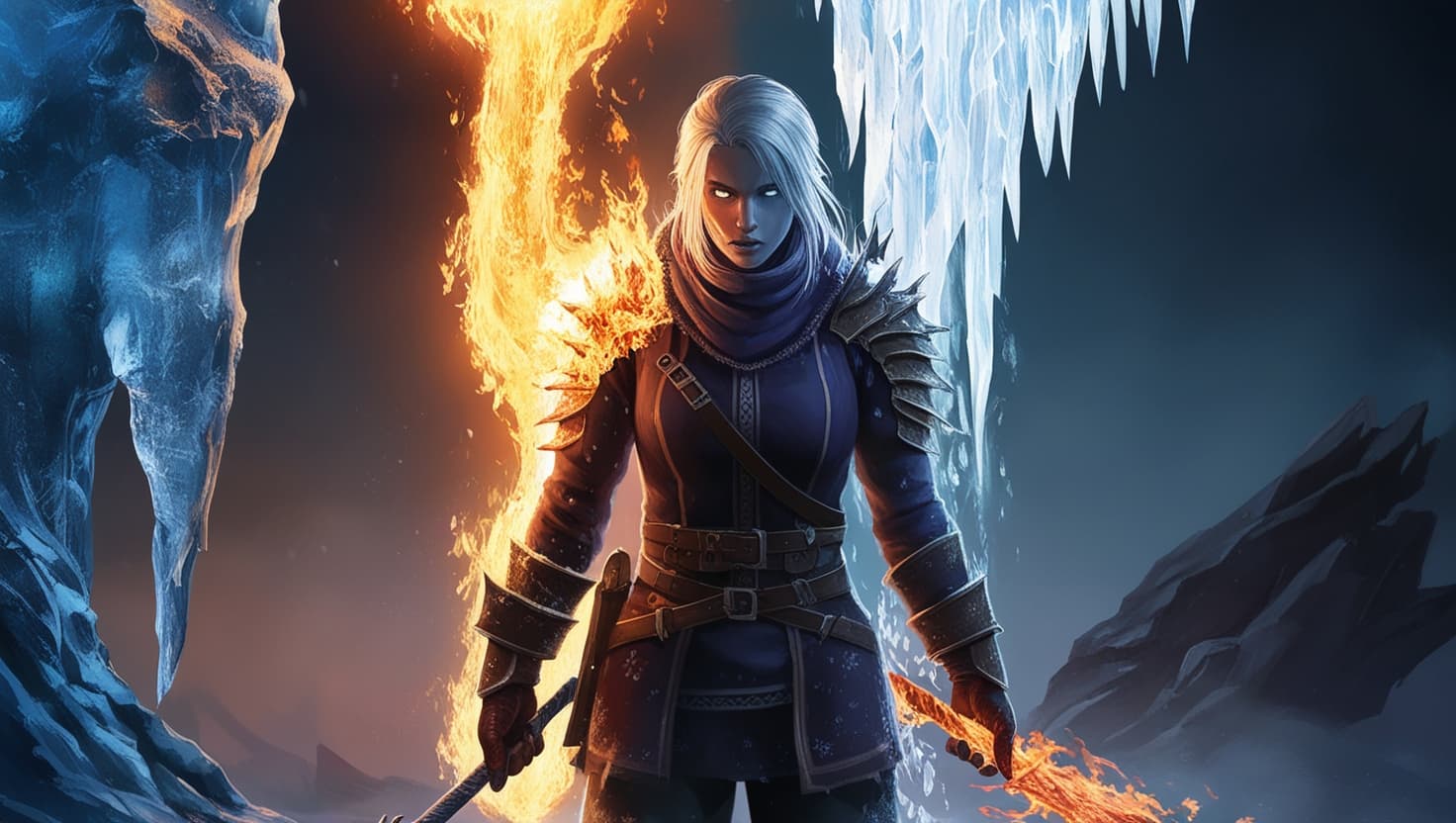
Every D&D 5e condition explained in plain language - what they do mechanically, how they interact, and practical tips for Game Masters who want to use them well.
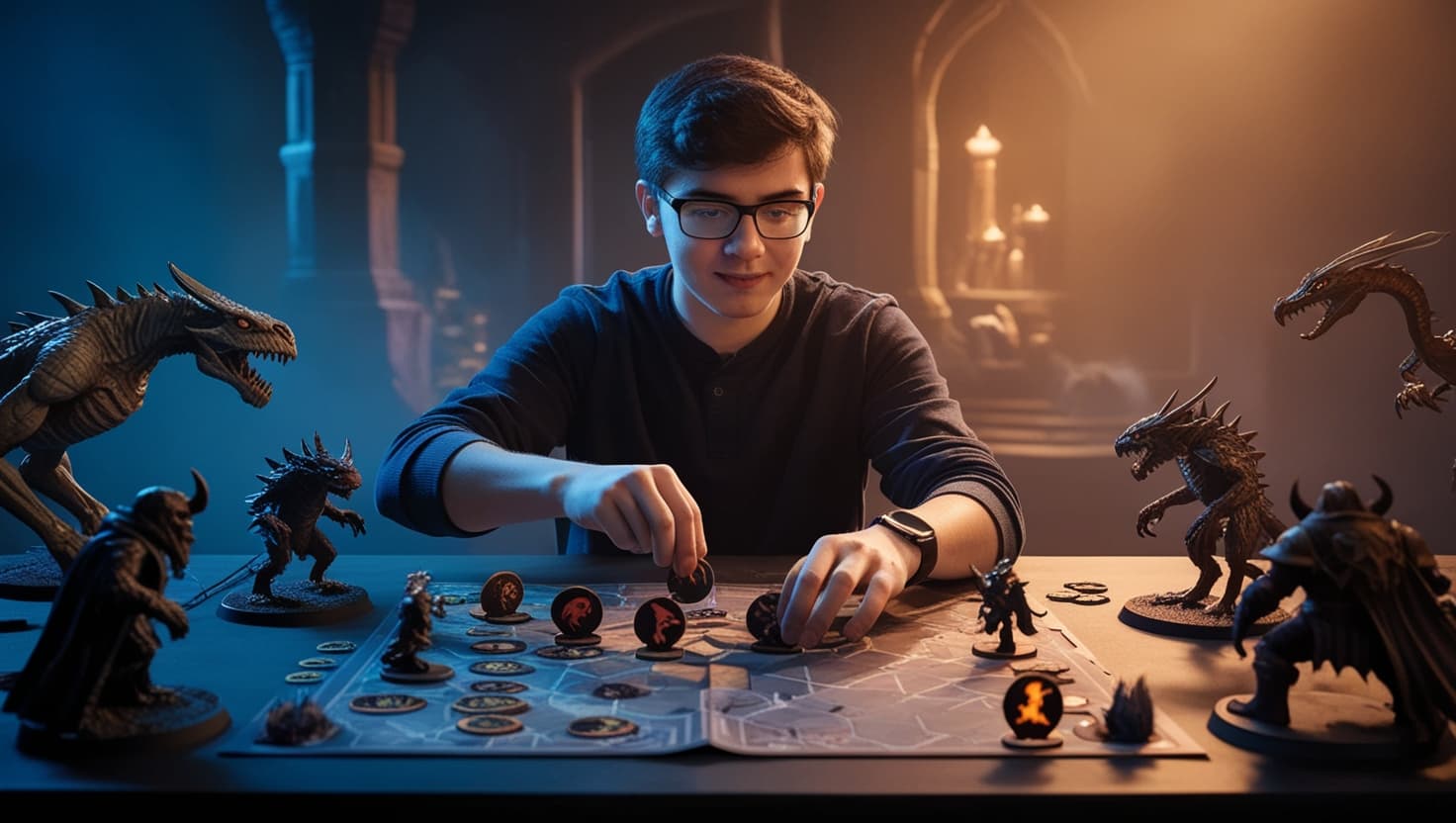
A practical guide to building D&D encounters that actually challenge and excite your players. Covers action economy, terrain, pacing, enemy variety, and using encounter calculators - written for GMs who are tired of one-sided stomps and lifeless combats.
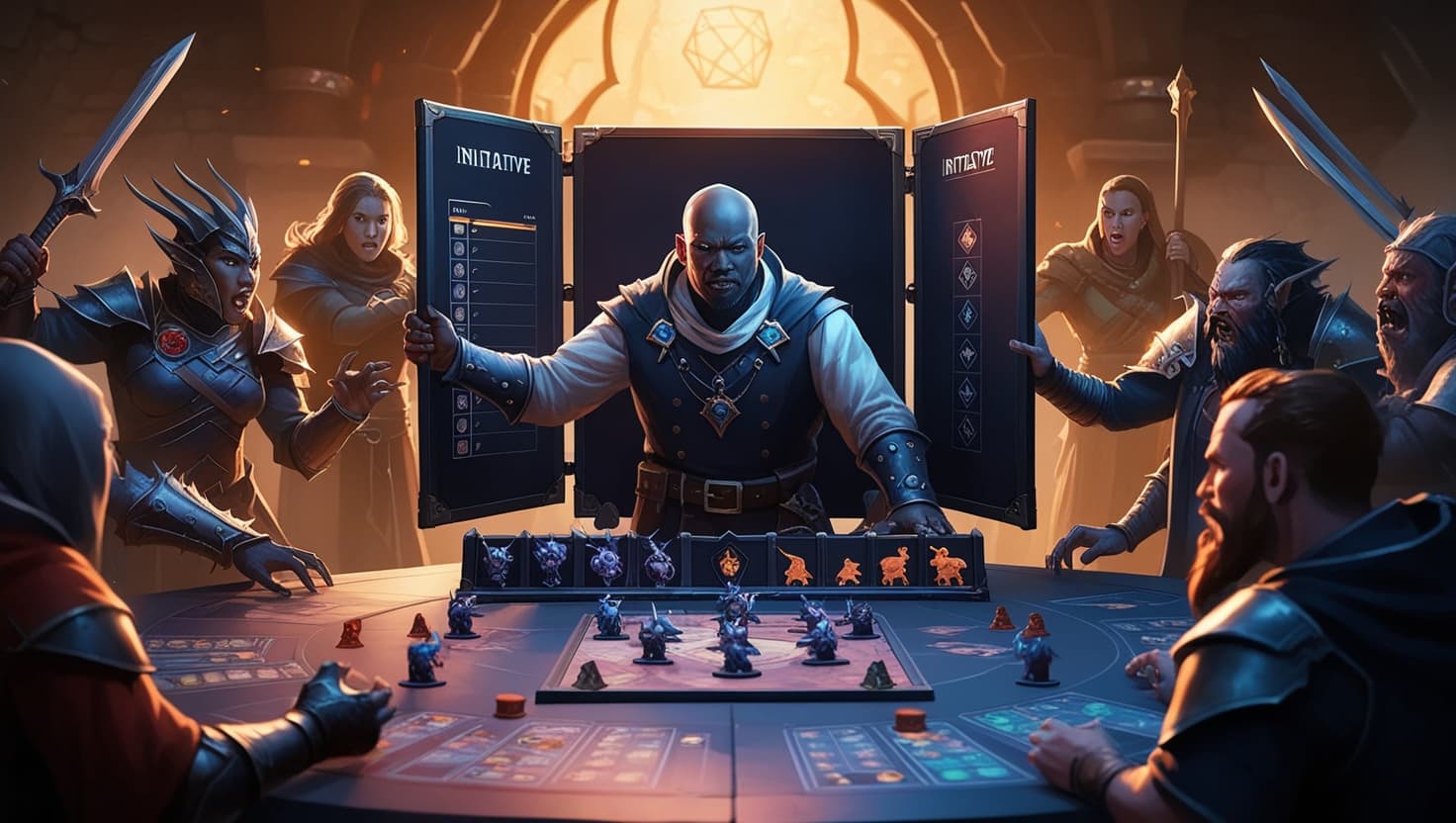
Running combat in D&D 5e doesn't have to be slow or confusing. This guide walks you through initiative, action economy, movement, conditions, and practical tips to keep fights fast, fair, and memorable.
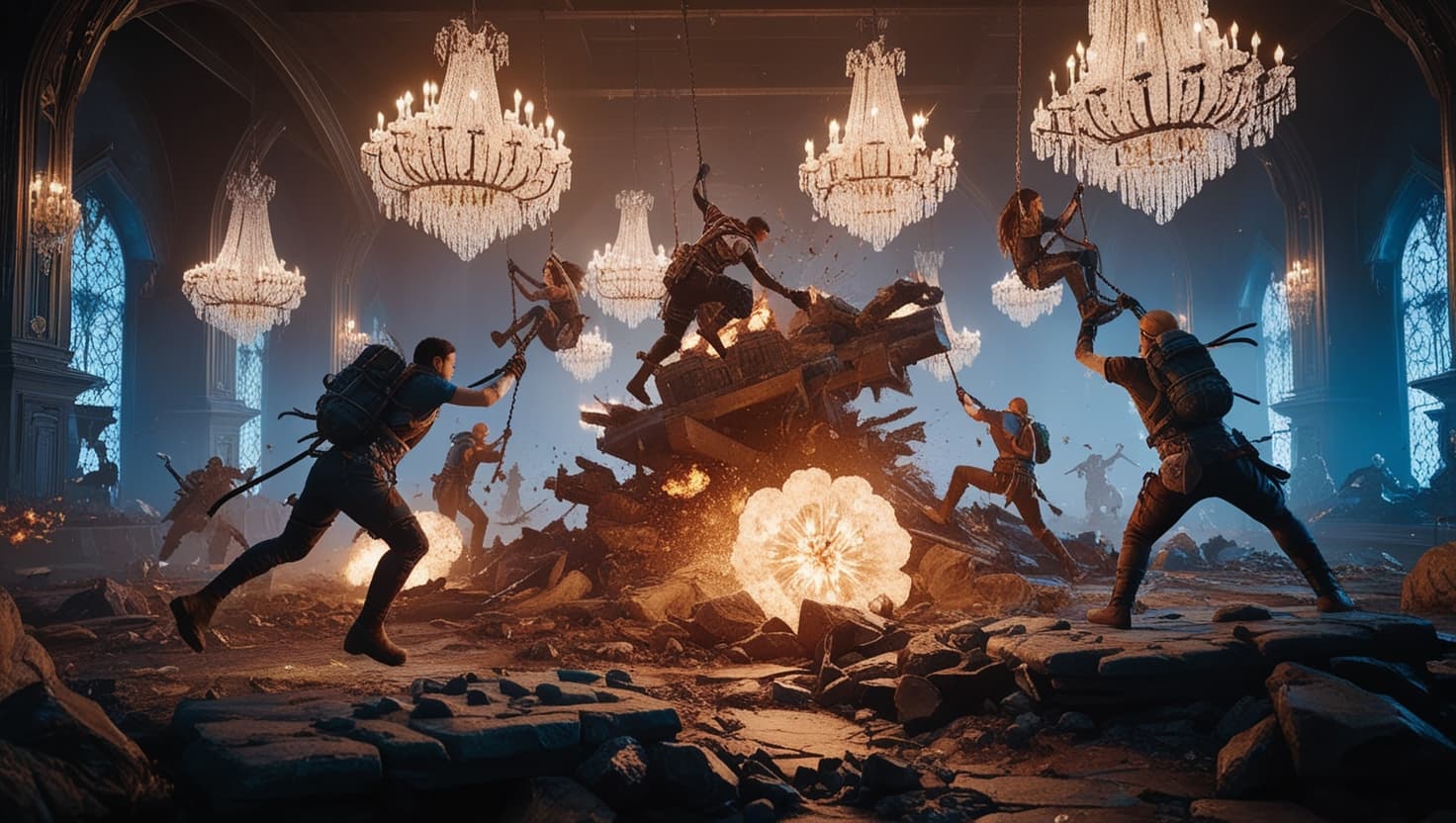
Most D&D combat is boring because we run it like a board game. Here's how to turn initiative order into actual storytelling - from terrain tricks to monsters that want things beyond 'kill party.'
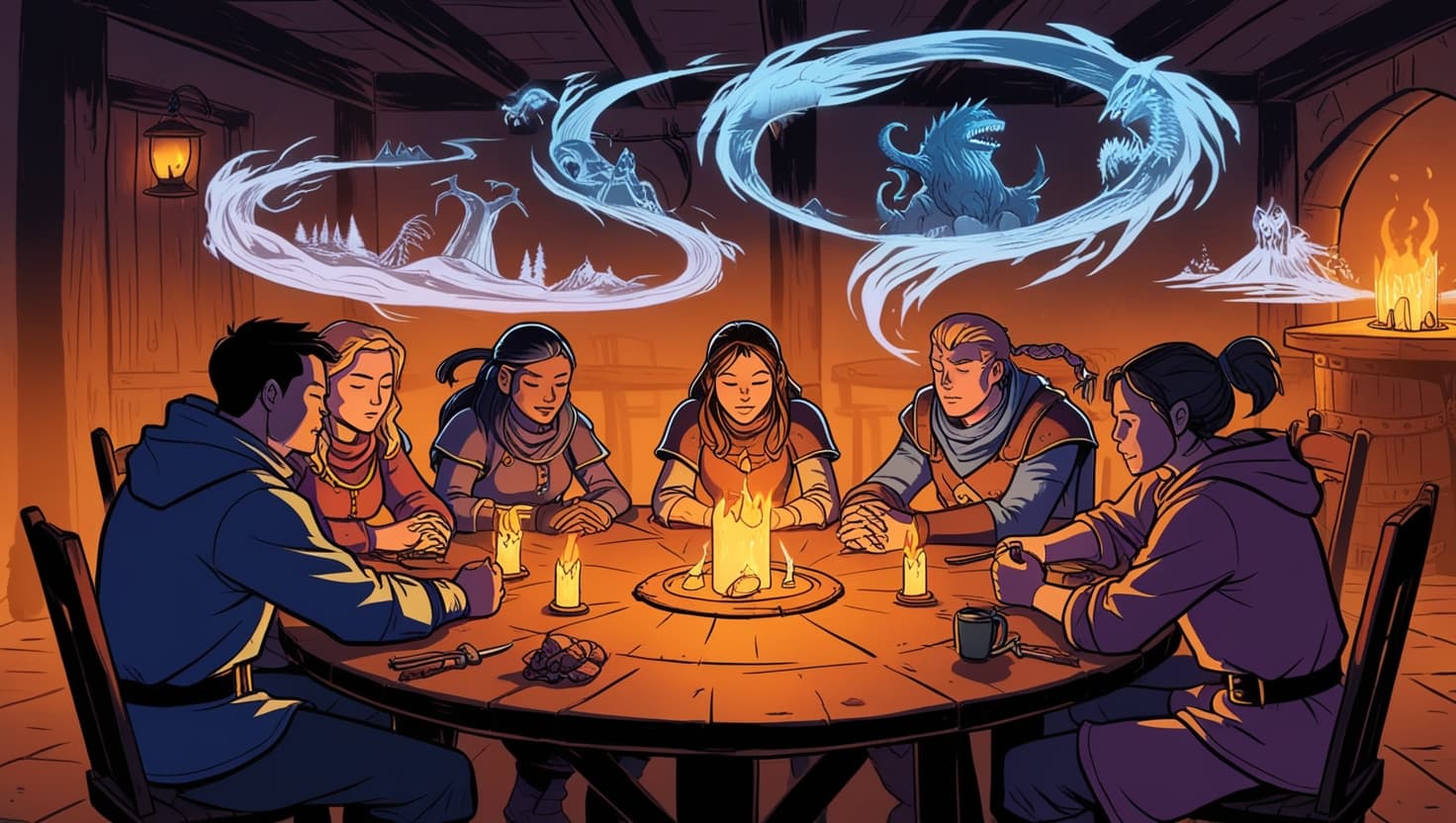
Battle maps are great until they aren't. Here's how to run vivid, fast-paced D&D combat using nothing but words - and why some of the best sessions happen without a single grid square.