D&D Campaign Notes: Stop Writing Recaps Nobody Uses
D&D campaign notes should help the next session start faster. Track decisions, debts, threats, and next moves instead of writing a novel.
Game Master craft — session zero, campaign prep, pacing, worldbuilding, and running one-shots that land.
D&D campaign notes should help the next session start faster. Track decisions, debts, threats, and next moves instead of writing a novel.
D&D 5e concentration checks are less about dice luck and more about positioning, spell choice, and damage timing. Here's how to stop dropping your best spells.
Best D&D classes for small parties need to cover multiple jobs at once. Here’s which 5e classes actually hold up in 1, 2, and 3 player groups.
Passive perception 5e is not a backup roll button. Learn when to use it, when to roll, and why constant perception checks slow your game down.
Best D&D party size for most campaigns is four players. Here’s when three works better, when five is worth it, and when your table is just too big.
Do you need a healer in D&D 5e? Usually no. Here’s when a no-healer party works, when it fails, and how to survive without a cleric.
Run D&D for two players without it feeling empty. Duet campaign structure, sidekick rules, encounter rebalancing, and modules built for 1-on-1 play.
Skill challenges didn't survive the jump from 4e to 5e, but DMs keep reinventing them anyway. Here's how to run them without the clunky parts - plus a framework that actually works at the table.
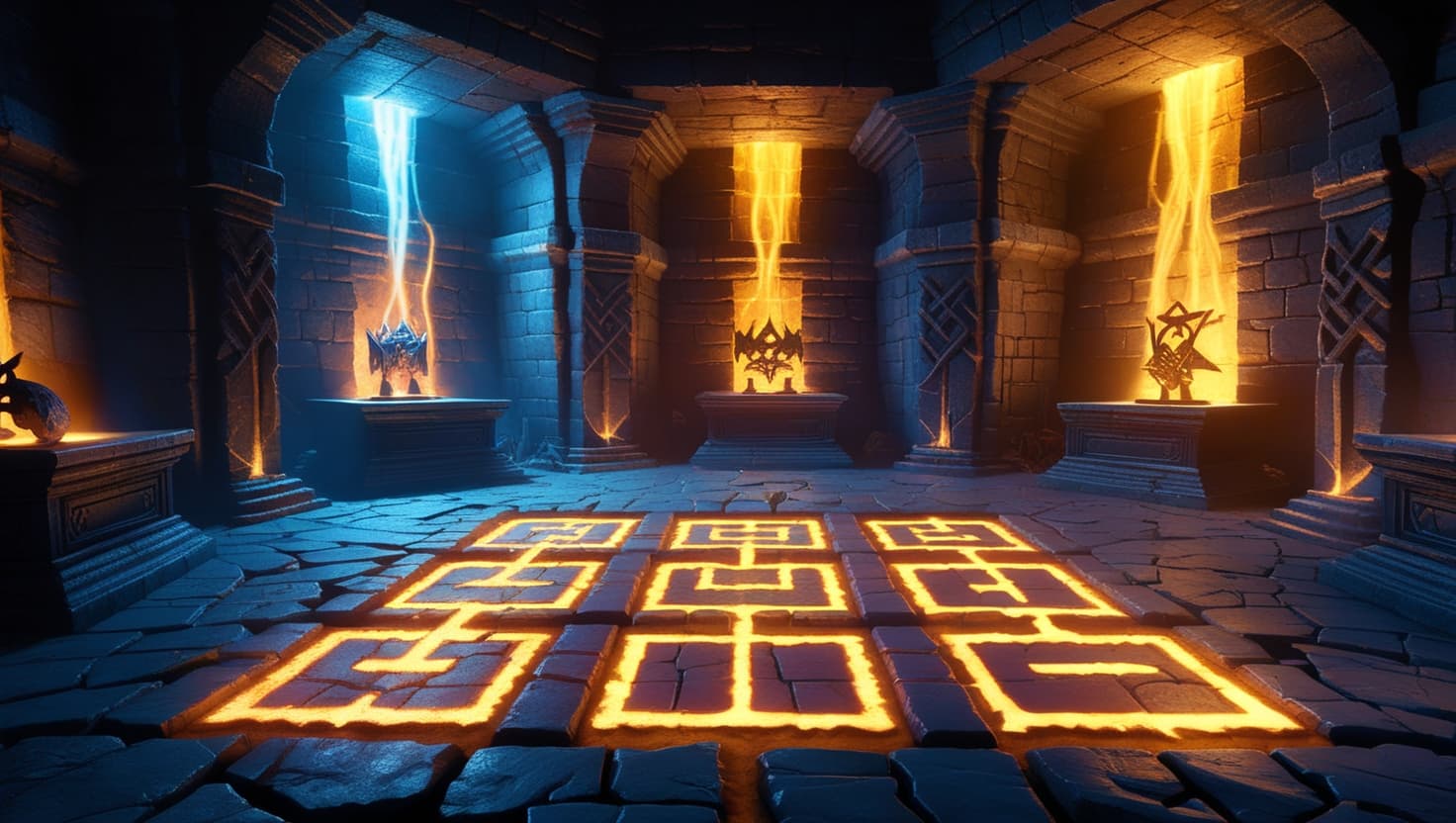
Most D&D puzzles kill momentum instead of building it. Here are the design mistakes DMs keep making and 5 puzzle frameworks that players love.
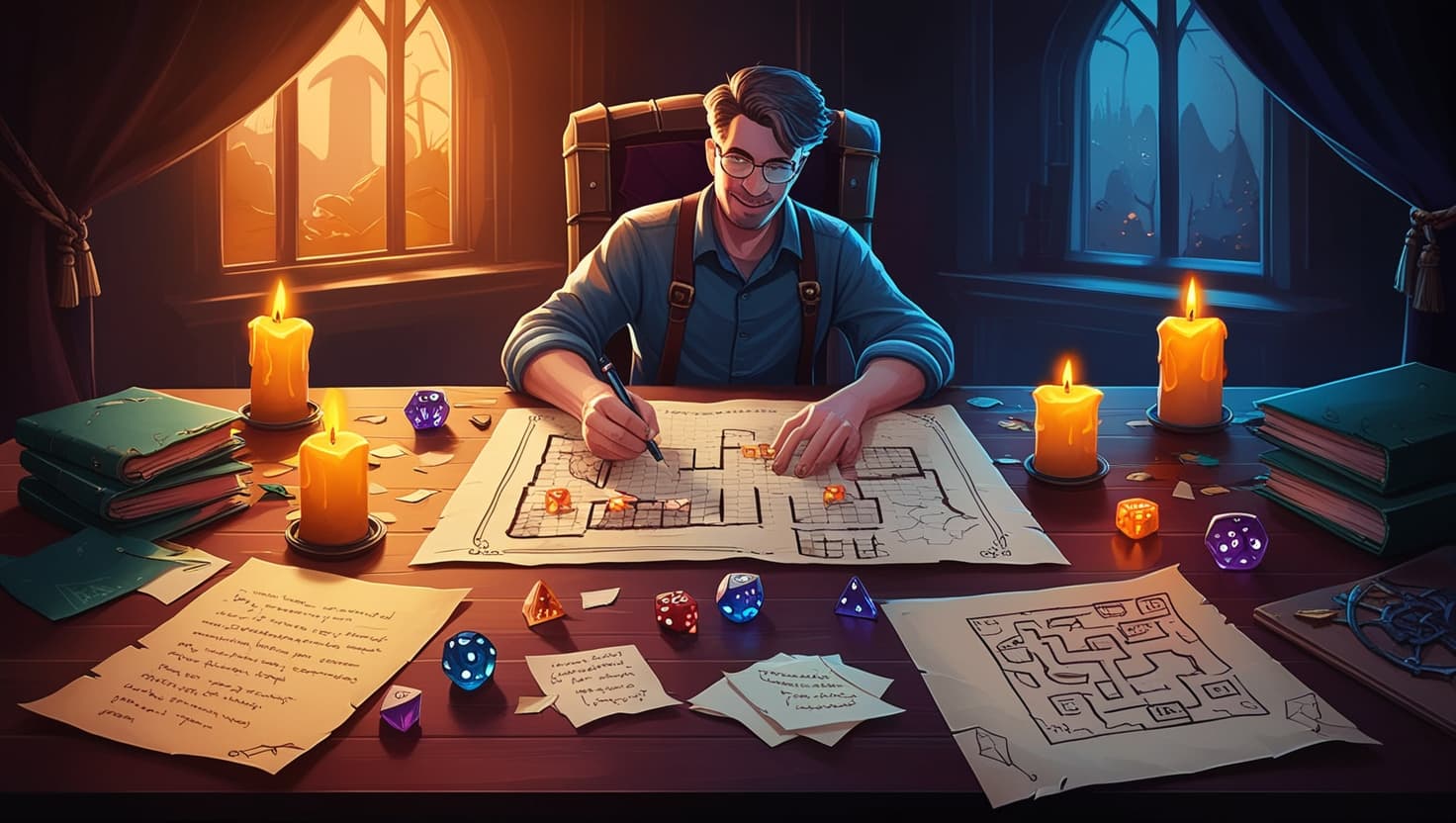
Your first session behind the screen doesn't need to be perfect. It needs to happen. Here's everything you need to run your first game without spiraling.
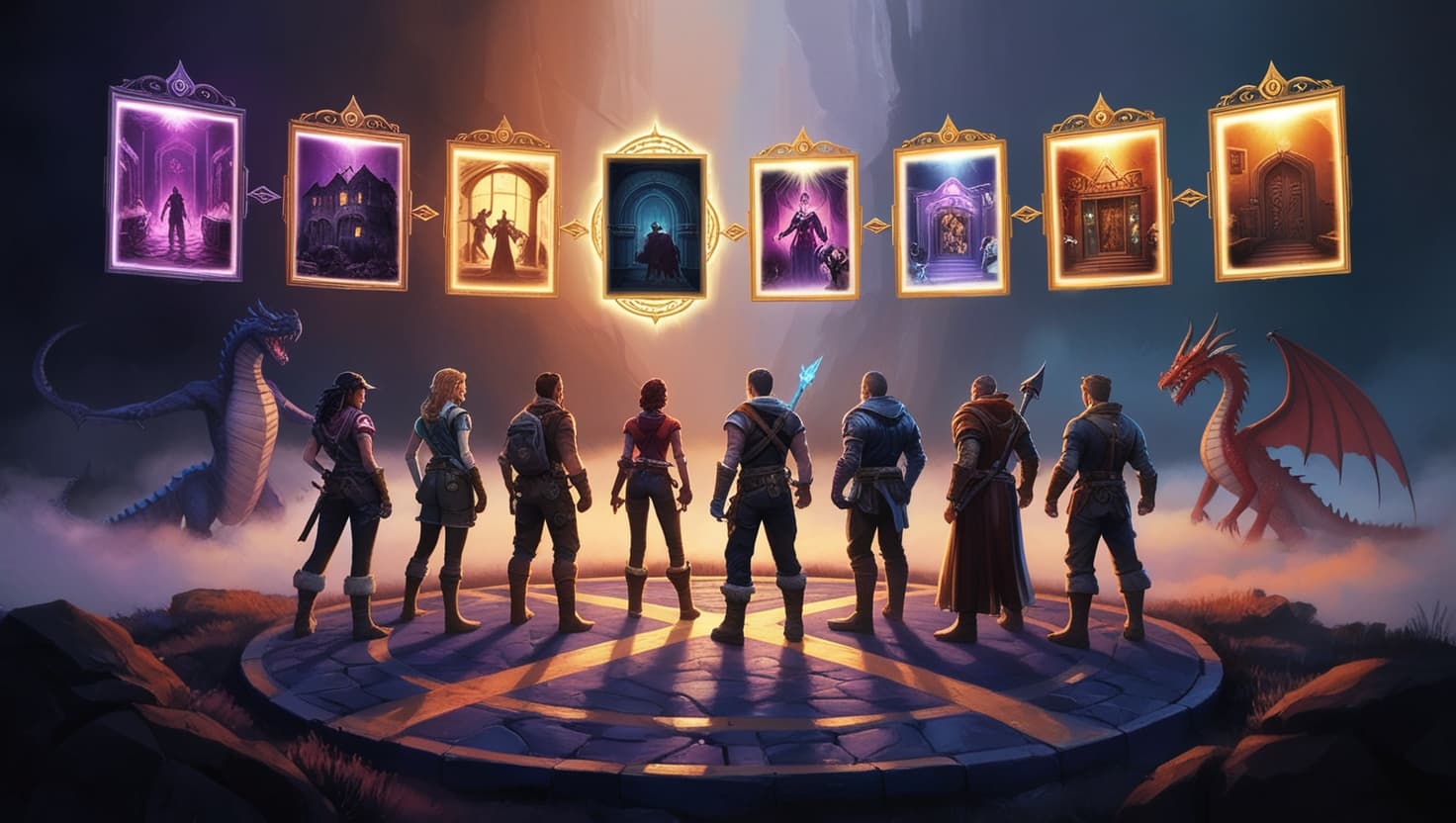
12 one-shot ideas that work for new players, busy groups, and GMs who don't want to prep a 200-hour campaign. Premises, party sizes, and tips for running each one.
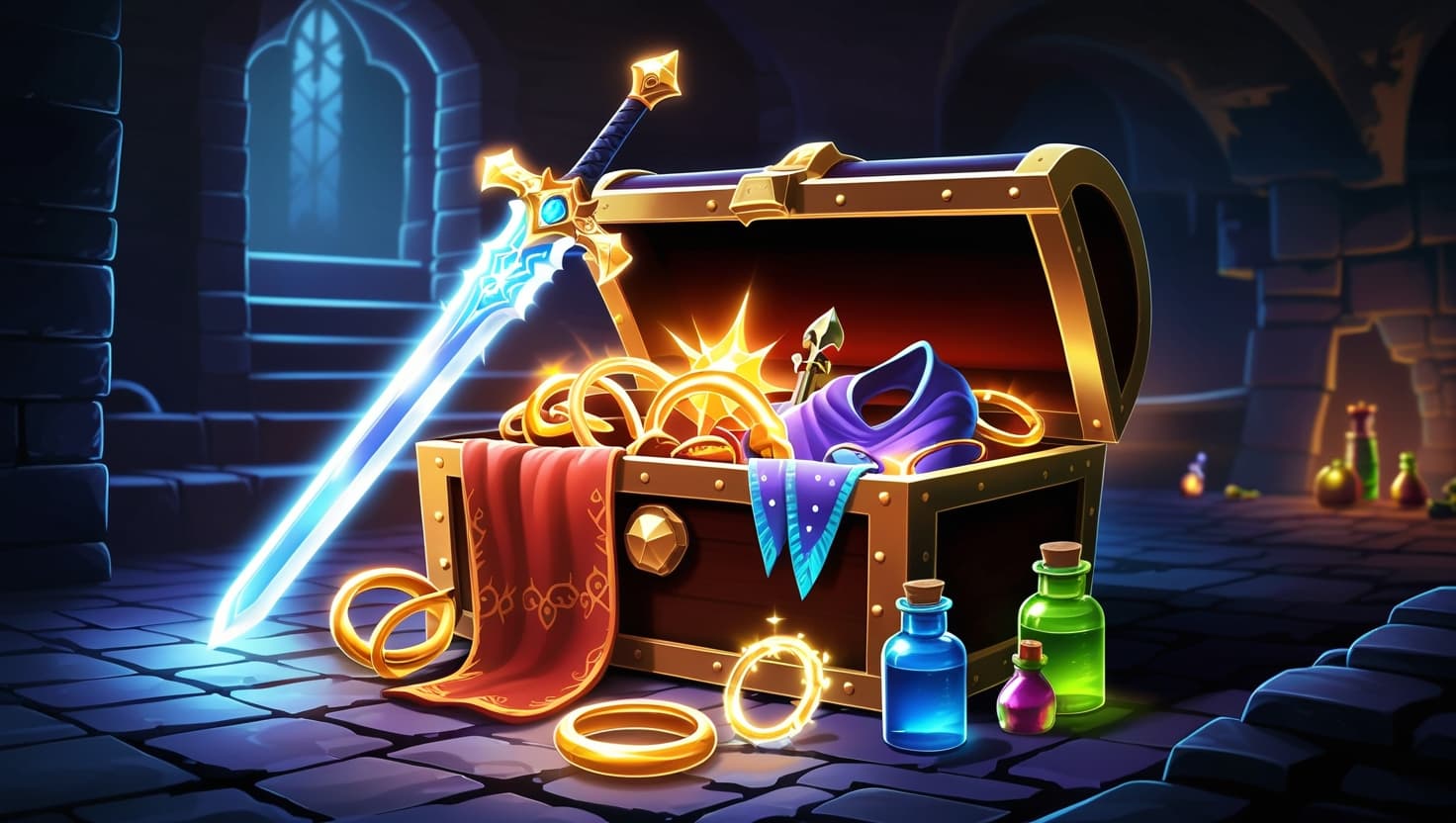
Magic items are half the reason people play D&D. But the rules for how they work, how rare they are, and when players should get them are scattered across three books. Here's everything in one place.